
When exactly did disorder become a marketing tool? While the Clean Girl era dominated social feeds for years—beige, polished, porelessly perfect—today, you can feel a collective sigh of relief. The fatigue is real. Gen Z is rebelling against aesthetic sterility, and brands are adapting their visual language faster than ever.
Suddenly, beauty brands deliberately showcase messy bathroom scenes. Lola Young’s viral “messy” look—just as raw as her songwriting. Addison Rae’s art direction, chaotic, grainy, almost anti-glam. So-called sigfluencersset trends with their intentionally crumpled aesthetics, while at the same time, the controversial glamorization of smoking is making a comeback.
The hashtag #MessyGirl now counts well over hundreds of thousands of posts—and that’s only the visible surface of a culture shedding perfectionism like an overly tight second skin. This movement is no accident. It’s a reaction against years of digitally stylized flawlessness. The Clean Girl aesthetic was never really about cleanliness; it was a cultural script, selling productivity, discipline, and social competence as visual design. It wasn’t an aesthetic—it was a marketing promise. A life that looked like everything was under control.
THE RISE OF THE MESSY GIRL
WHY CHAOS IS SUDDENLY THE NEW LUXURY NARRATIVE
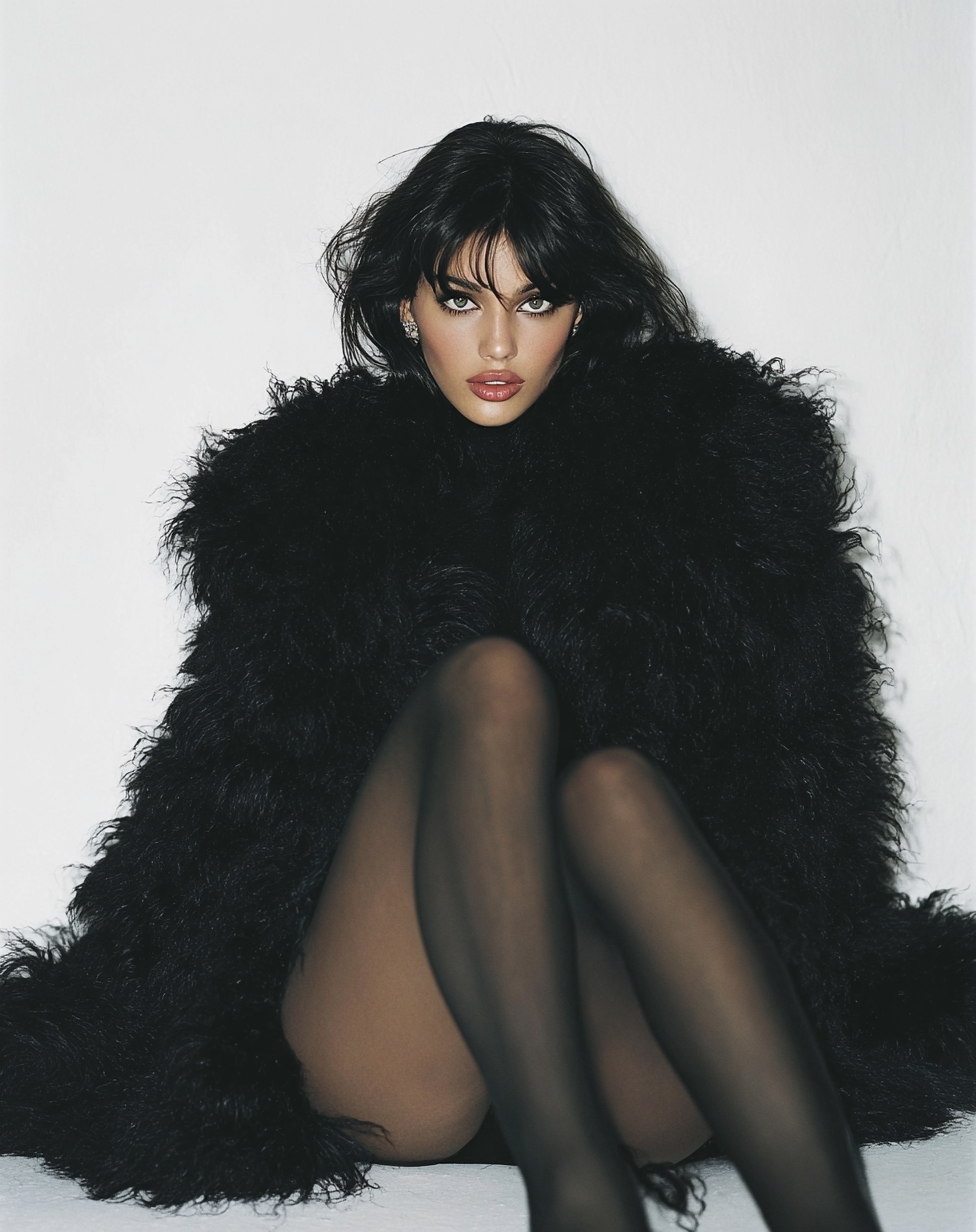
And now, that illusion is breaking. The new aesthetic trend isn’t just “messy”—it’s deliberately porous.
Chaos represents authenticity—but not the polished, curated version brands have long tried to imitate. It’s about visible reality: open bags where cables, receipts, and half-used lip balms jostle together. “What’s in my bag” videos that look as though they were ripped straight from real life. No gloss. No order of the day. Just disorder as a statement. And here’s the irony: chaos sells. Not because people suddenly find mess attractive, but becausethey respond to imagery that doesn’t look controlled. In a world optimized, filtered, and ironed out by algorithms, the break itself becomes a luxury object.
Courage to be imperfect—that’s the true status. Yet the trap is obvious: as soon as brands polish this disorder, as soon as they try to choreograph “messy,” the effect is gone. Authenticity that feels constructed loses its power instantly. Gen Z can spot performative realness in seconds. The new trend thrives not on chaos as a stylistic device, but on disorder as a cultural commentary.
The Messy Girl aesthetic isn’t a counterpoint to the Clean Girl—it’s a mirror. A reminder that perfection was always a performance. Now, it’s the opposite that counts: genuineness, blur, deviations. A way of life that doesn’twant to be smooth. Because authenticity is the new rare. And chaos? The new luxury.