
There are actors who play roles—and then there are those who become cultural projection screens. Jacob Elordi firmly belongs to the latter category. The so-called “Jacob Elordi Effect” describes this elusive phenomenon: whether it’s a film role, a paparazzi shot, or a red-carpet appearance, his presence is collectively perceived as intense, magnetic, “hot.” Yet this effect is no coincidence. It is the result of smart role selection, sartorial precision, and strategic restraint.
Ever since his performance in Euphoria, Elordi has operated in the space between fascination and irritation. In Saltburn, he perfected this play with ambivalence: privileged, seductive, dangerous. Here, attractiveness does not stem from likability, but from complexity.
The effect becomes particularly contemporary through his recent engagement with classic literature. In the new adaptation of Wuthering Heights, Elordi takes on the role of Heathcliff—one of the darkest, most obsessive figures of Romanticism. Heathcliff is no polished hero, but emotionally radical, vulnerable, and destructive at once. That Elordi embodies this character fits the narrative: he represents a new, aestheticized form of Gothic masculinity. Melancholy becomes an attitude; intensity a stylistic device. TikTok edits, fan cuts, and mood boards are already celebrating the fusion of literary gravity and modern coolness.
The Jacob Elordi Effect:
Why Suddenly Everything Jacob Elordi Does Becomes a Cultural Event
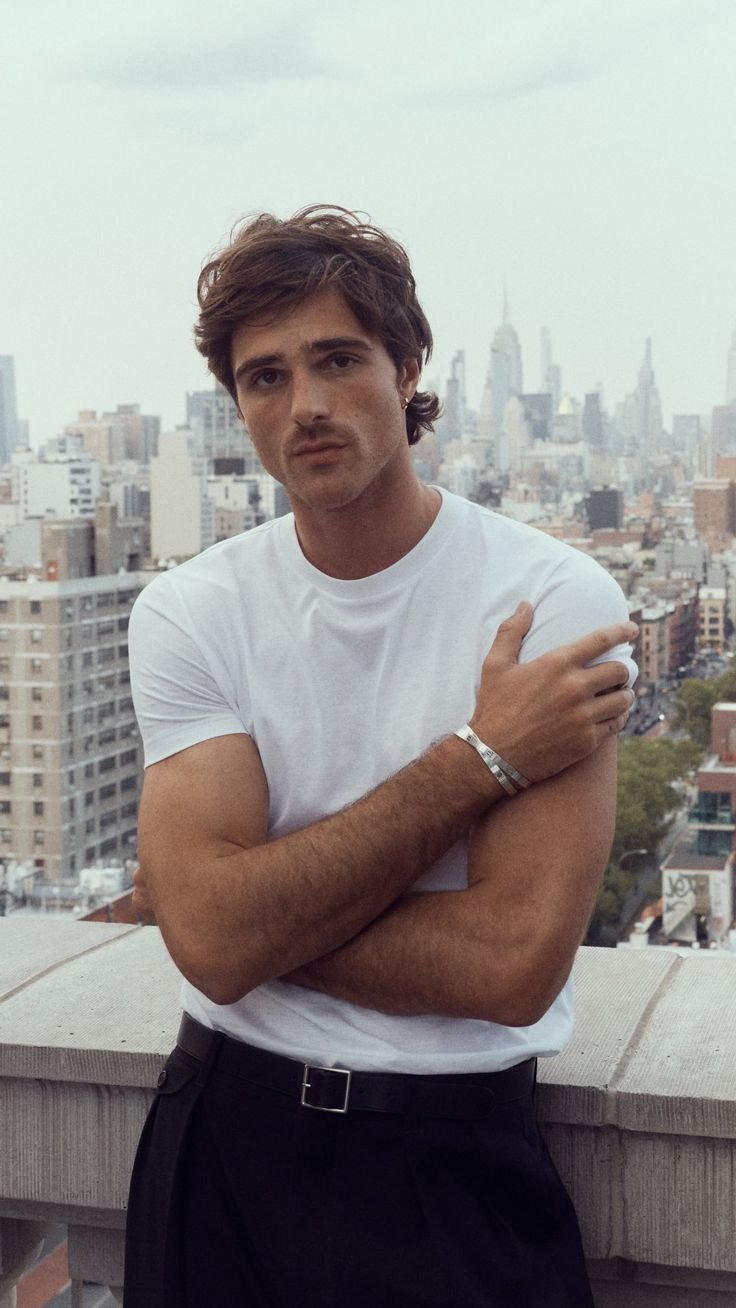
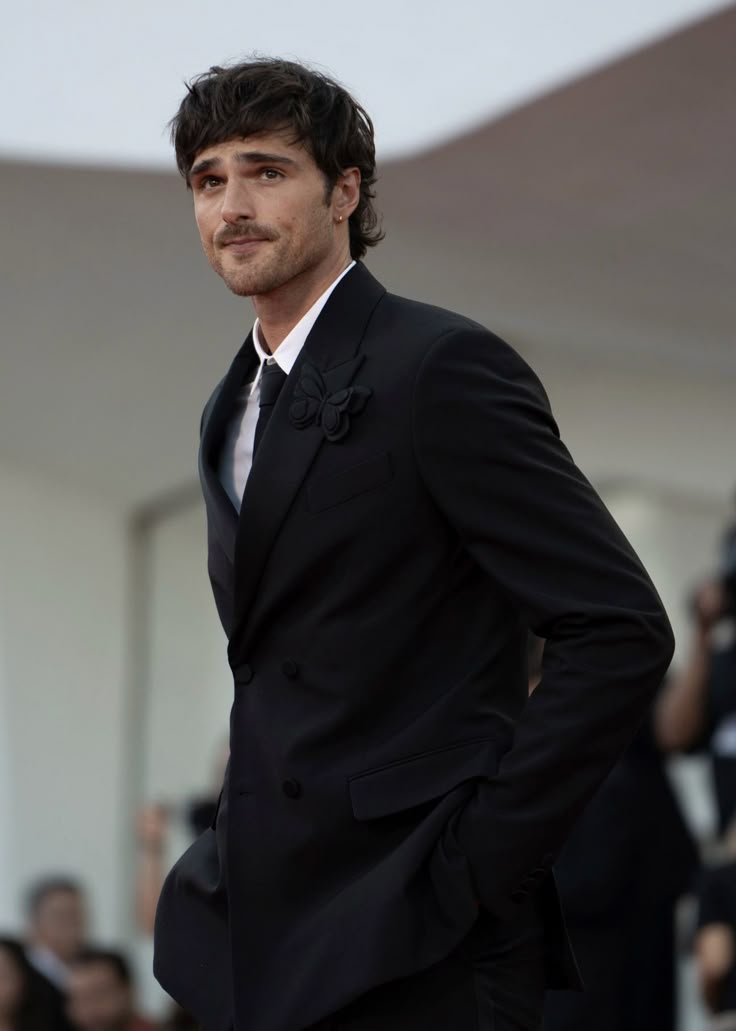

At the same time, Elordi has established himself as a style reference on the red carpet. His appearances are not classic Hollywood uniforms, but statements. Whether tailored suits with soft silhouettes, open shirts, statement coats, or deliberately minimalist looks—he moves between Old Hollywood glamour and Gen Z nonchalance. Rather than relying on maximalist effects, he focuses on proportion, posture, and subtle detail. Fashion does not look like costume on him, but like second nature.
It is precisely this combination that makes him so contemporary: literary depth meets sartorial ease. While many stars rely on calculated virality, Elordi projects an aura of controlled distance. He is present, but not overexposed. He speaks, but not excessively. In an era of constant visibility, that alone feels almost radical.
The “Jacob Elordi Effect” is also fueled by a shifting perception of masculinity. Hyper-masculine stagings are losing their appeal. What is sought instead is ambivalence: soft and dominant, classic and modern, vulnerable and untouchable at once. Elordi embodies this contradiction both visually and performatively. His characters are rarely clearly good or evil—they are complex. And complexity is compelling.
This myth also functions digitally. A single image from a film premiere or a set photo is enough to trigger millions of reactions. His presence is consumed in fragments—as a meme, a GIF, an aesthetic screenshot. In a culture built on micro-moments, this very fragmentability becomes a strength.
In the end, the “Jacob Elordi Effect” is less a hype phenomenon than a symptom of the zeitgeist. We live in a phase in which perfection is overproduced and real tension arises from fractures. Elordi delivers exactly that: controlled intensity, visual clarity, emotional depth.
And perhaps that is precisely why seemingly everything he does is perceived as “hot”: not because it is loud—but because it has conviction.