Lifestyle · November 2026 · 5 min read
The Art of Getting Dressed
Michael Jondral on sartorial attitude, the courage to slow down and why true style was never a question of trends
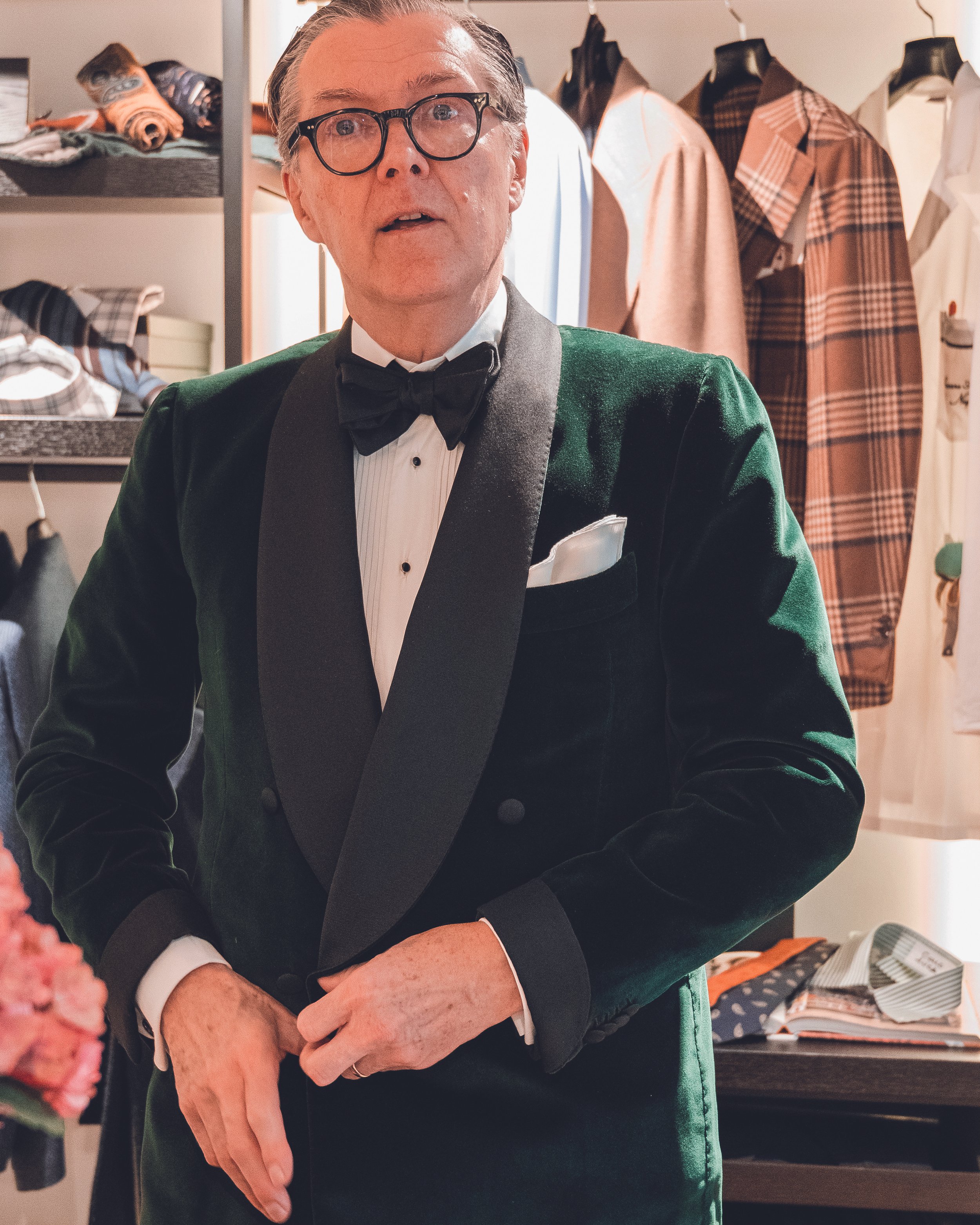
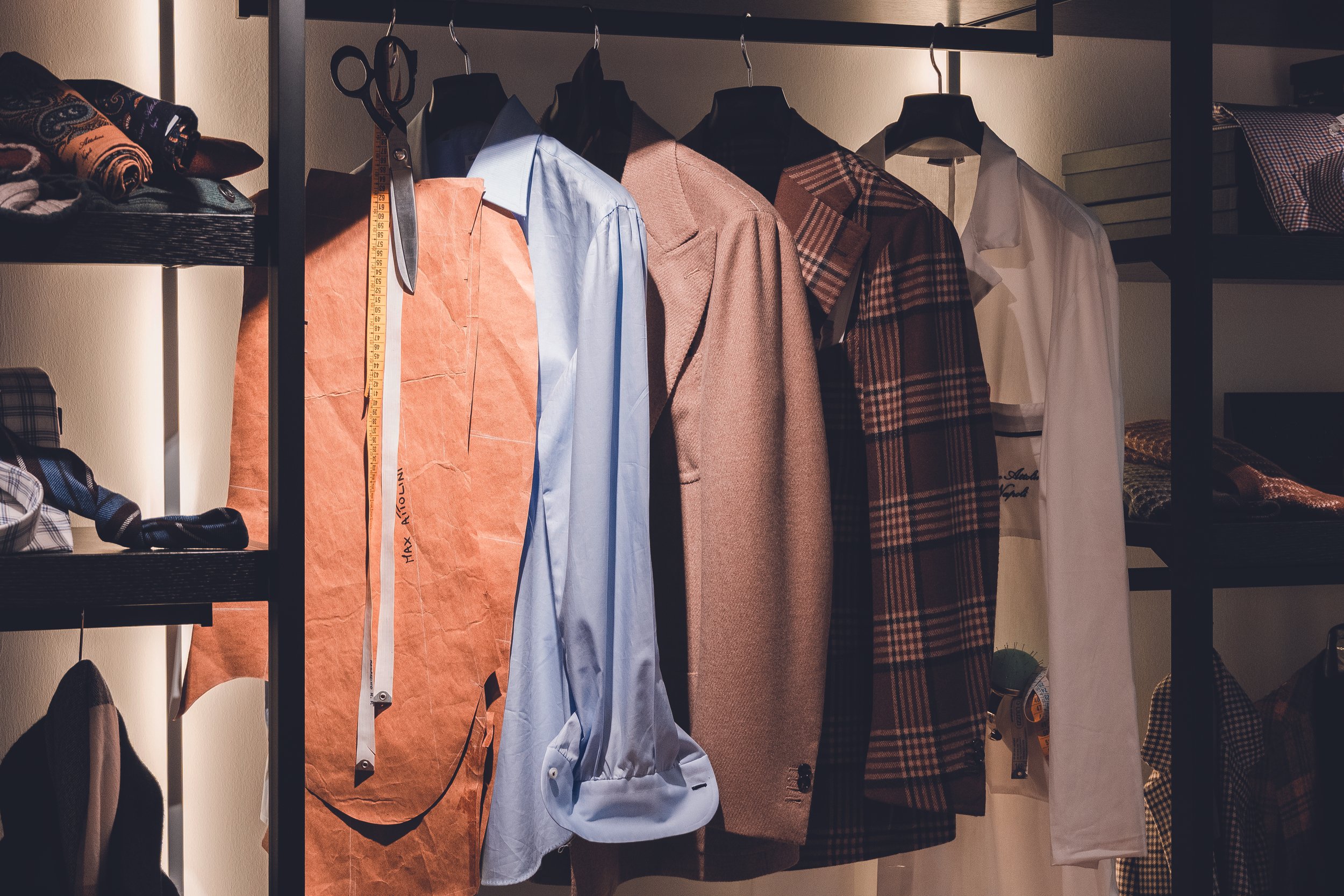
There are shops you walk into and immediately know that this is about something else. Not about merchandise, not about the season, not about the next drop. At Michael Jondral in Hanover, it is about attitude. About the conviction that a well-tailored suit, a hand-sewn shoe and a shirt from the atelier of a family business in Naples can say more about a person than any self-description. Jondral began his career in 1984 with Heinrich Zapke, one of the most formative figures of the German menswear scene, and what he learned there still shapes every decision he makes. "From him I learned my first stylistic dress codes, and in the years that followed I interpreted them in my own way," he says. A British core, wrapped in Italian ease. This combination is not a formula. It is a worldview that hangs in every piece he carries.
Hanover is the place from which he built everything, and although customers have long been travelling to him from all over Germany and ordering worldwide through his online shop, Jondral never felt the need to be bigger than he is. "Of course it is a joy to have earned a worldwide reputation and to find friends who become loyal customers." No expansion for the sake of expansion, no watering down of the concept for more reach. Quite the opposite. He does not see himself as someone who sells fashion. What he wants to pass on is a philosophy, and in his context the word does not sound abstract at all, but completely concrete. Taste, quality, culture: for Jondral these are not marketing terms, but categories by which he measures every decision. Whoever leaves his shop should not only have taken a suit with them. They should have understood why this suit is the way it is, and who made it.
This leads directly to the question of authenticity, a word so overused in the fashion industry that it has almost lost its meaning. Jondral has a very clear answer to how you separate the real from the performed. "Authenticity comes from the honesty of the product and the history of its makers. Family businesses that have grown over generations, with a focus on handcraft. That way, quality becomes the factor behind the price of a product, not the marketing budget." That is not a poetic sentence. It is a standard.
Quality becomes the factor behind the price of a product, not the marketing budget.
It is exactly by this standard that he chooses his brands. Cesare Attolini, Finamore, Edward Green, houses where craftsmanship is not communicated but practised. Besides the workmanship, something else decides that cannot be captured in a product description. "The relationship between people and trust play a big role. A partnership and an honesty that, in the end, the customer can feel." His concept is divided into two worlds that support each other. The online shop as a daily shop window for customers around the world, and next to it "The Showroom", the classic store, open by appointment. A visit there is not meant to be a shopping experience, but a stay: time for personal advice in a setting that does justice to that time. It is the opposite of fast, and that is entirely intentional.
What remains in this world when everything around it changes? Jondral is unsentimental about it. The world has changed and will keep changing. But the demand for style and quality, he is convinced, will always remain, because it is a human constant, not a passing trend. For anyone who is just beginning to understand what style means, he has a sentence that carries more than most guidebooks. "You do not have to pretend to have real style. What matters is living your own personality. Do not simply copy role models, but imitate them in your own personal interpretation. That is how an individual style develops."
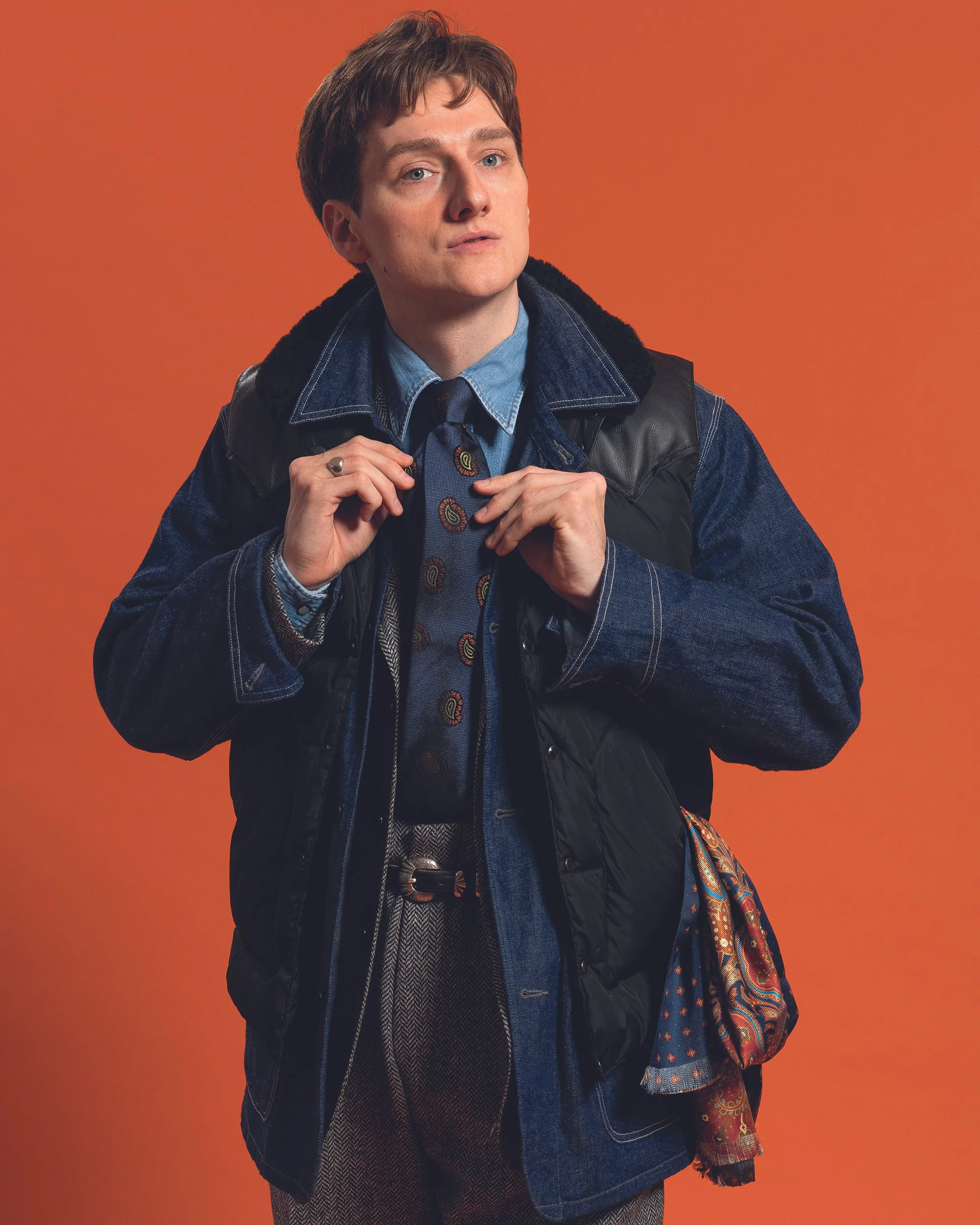
And then there is Jonathan. His son grew into a legacy that is inseparably linked to a name, an attitude and a way of life. What that means, Jonathan answers without hesitation. "I see it as a great opportunity to carry on the name and everything my father built together with my mother for many years to come. The responsibility is real, and sometimes it weighs heavily. But above all, it is a privilege." What he brings is not a copy of his father. It is his own voice in the same room. Timeless thinking as the foundation, but with a different energy in the combination. Sartorial meets casual, the refined meets the rougher. "For me personally, there is hardly a look in which I do not combine something refined with something rougher. That is exactly what gave me the courage to wear a tie almost ten years ago." And he believes more people should have that courage, especially the younger ones.
Jonathan also has a clear picture of what the name Jondral should stand for in ten years. Not giving up the niche, not carrying any product you do not fully stand behind, and growing, but in your own way. In 2027, a pop-up store is coming to Berlin, the first physical presence outside Hanover. Back to the roots, with all the tools of the present. Two generations, one attitude. What has changed is the language. What has remained is what it was always about: the belief that quality, honesty and personality belong together, and that a person reveals more about themselves through what they wear than they usually intend.