
While the digital world is becoming increasingly smooth, fast, and fleeting, fashion is witnessing the rise of a countertrend you can quite literally feel: texture as expression, as emotion, as attitude. We long for something that isnot only seen but experienced. Fabrics that slow us down. Materials that convey warmth. Surfaces that tell a story before an outfit is even fully perceived.
Designers are responding with a new sensory opulence that is not loud, but profound. Fluffy fleece, voluminous bouclé, shimmering velvet, rustic corduroy, delicate crinkles, grainy structures—each material functions like a small stage production. Texture redefines silhouettes, directs light, and alters proportions. Even ultra-minimalist looks gain a complexity through the right surface that feels subtle yet unmistakable.
At the same time, fashion deliberately plays with contrasts: delicate transparency next to rough wool. Smooth satin surfaces beside structured knit. Soft tactility against polished hardness. This intentional “texture clash” createsdepth without chaos—a quiet drama that makes outfits more dimensional, mature, and modern. Fashion is becoming less decorated and more composed.
The trend also has emotional roots, not just aesthetic ones. In a world dominated by screens, the desire for touch—for things that feel real—is growing. Textures evoke craftsmanship, origin, and time. They feel familiar yetprecious. That is precisely why tactile materials feel so relevant to the zeitgeist: they connect comfort with refinement, sensuality with clarity.
Sustainability also plays a role here. Natural fabrics like wool, linen, or washed cotton stand for authenticity and conscious choices. At the same time, material innovations are creating sustainable surfaces that look luxuriousand feel even more luxurious.
TEXTURE IS THE NEW STATEMENT
and this season proves just how powerful quiet fashion can be

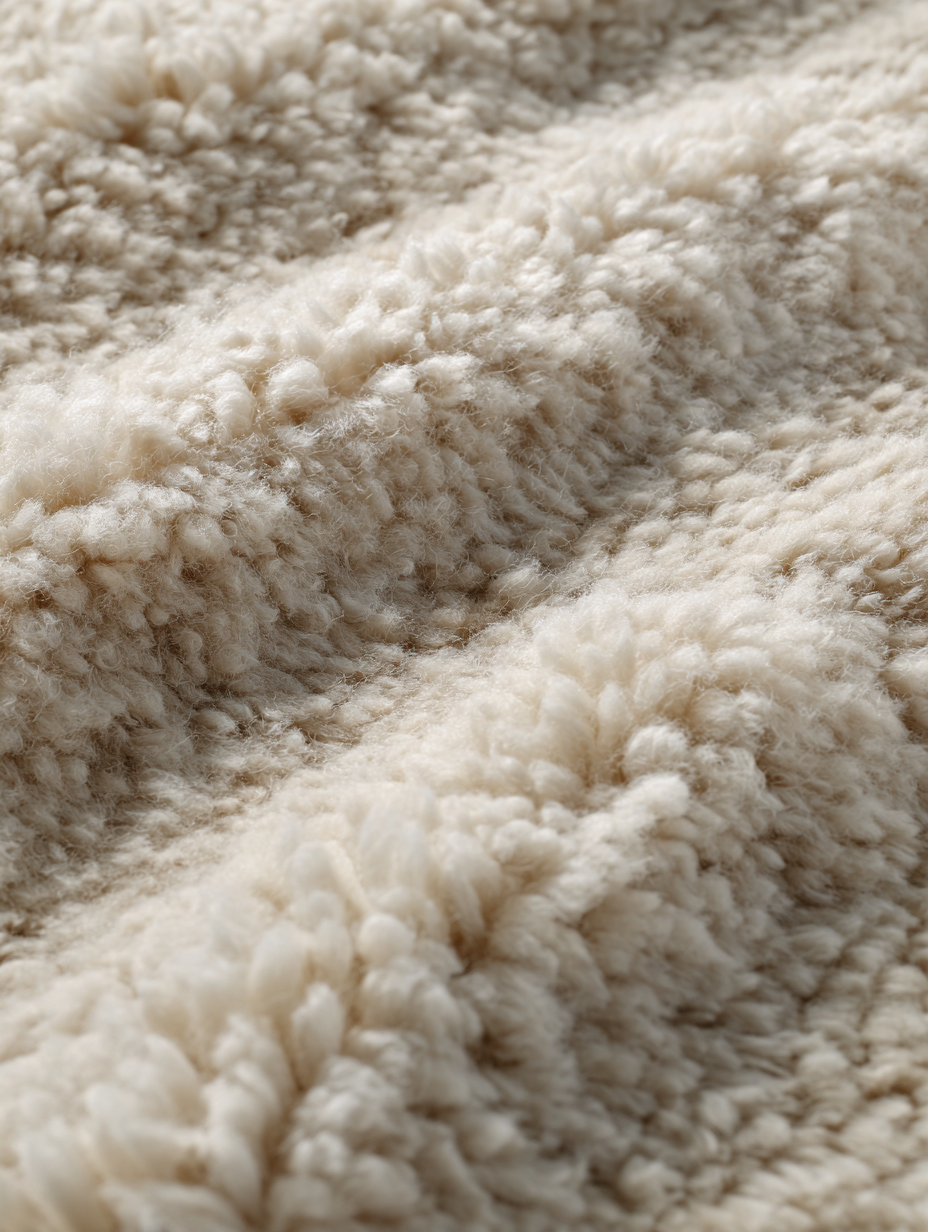
TEXTURE THUS BECOMES A SYMBOL OF A NEW KIND OF LUXURY—ONE THAT COMMUNICATES THROUGH TACTILITY INSTEAD OF LOGOS.
Ultimately, texture replaces what patterns, colors, or maximalism once had to achieve: individuality. Character. Depth. A look doesn’t need to shout to make an impact. It can whisper—and precisely for that reason remainstronger in memory.
TEXTURE IS THE NEW STATEMENT.
A statement that performs less—and touches more.