SALONE DEL MOBILE 2026
THE RISE OF SENSUAL SPACES AND CURATED LIVING
We spoke with Stefanie Wolf about the highlights, emerging trends, and why the real magic of Milan happens beyond the fairgrounds.
Each April, the Salone del Mobile transforms Milan into a dense network of design, architecture, and cultural staging. What was once primarily a product-focused trade fair now operates as a far more complex system—one where space, narrative, and brand merge into immersive environments. In 2026, this evolution is more evident than ever. While the fairgrounds remain the structural core, the real momentum unfolds across the city through the Fuorisalone, where interiors become temporary experiences rather than static displays.
The defining shift this year is clear: design is moving away from purely functional solutions towards emotionally charged, sensorially rich environments. Spaces are no longer simply designed—they are choreographed. Material, light, proportion, and object interact to create atmospheres that extend beyond traditional interior architecture.
This perspective is strongly reinforced by Stefanie Wolf, who attended the fair with a focused lens on bespoke spatial concepts. “The Salone del Mobile 2026 once again showed how strongly design is currently positioned between craftsmanship, materiality, and emotion,” she explains. What stands out most is the shift in priorities: “Away from purely functional solutions, towards sensual, almost staged environments.”
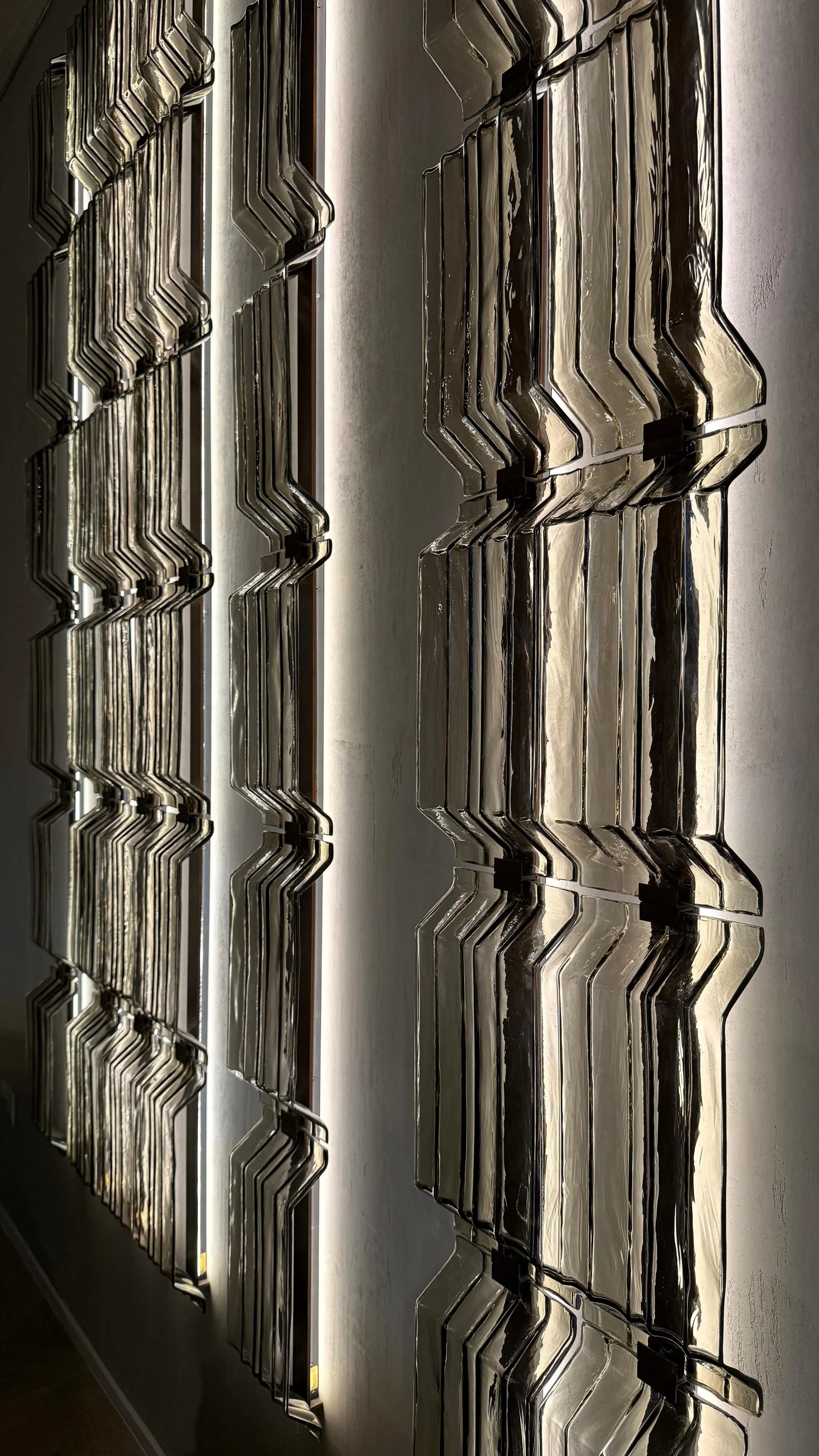
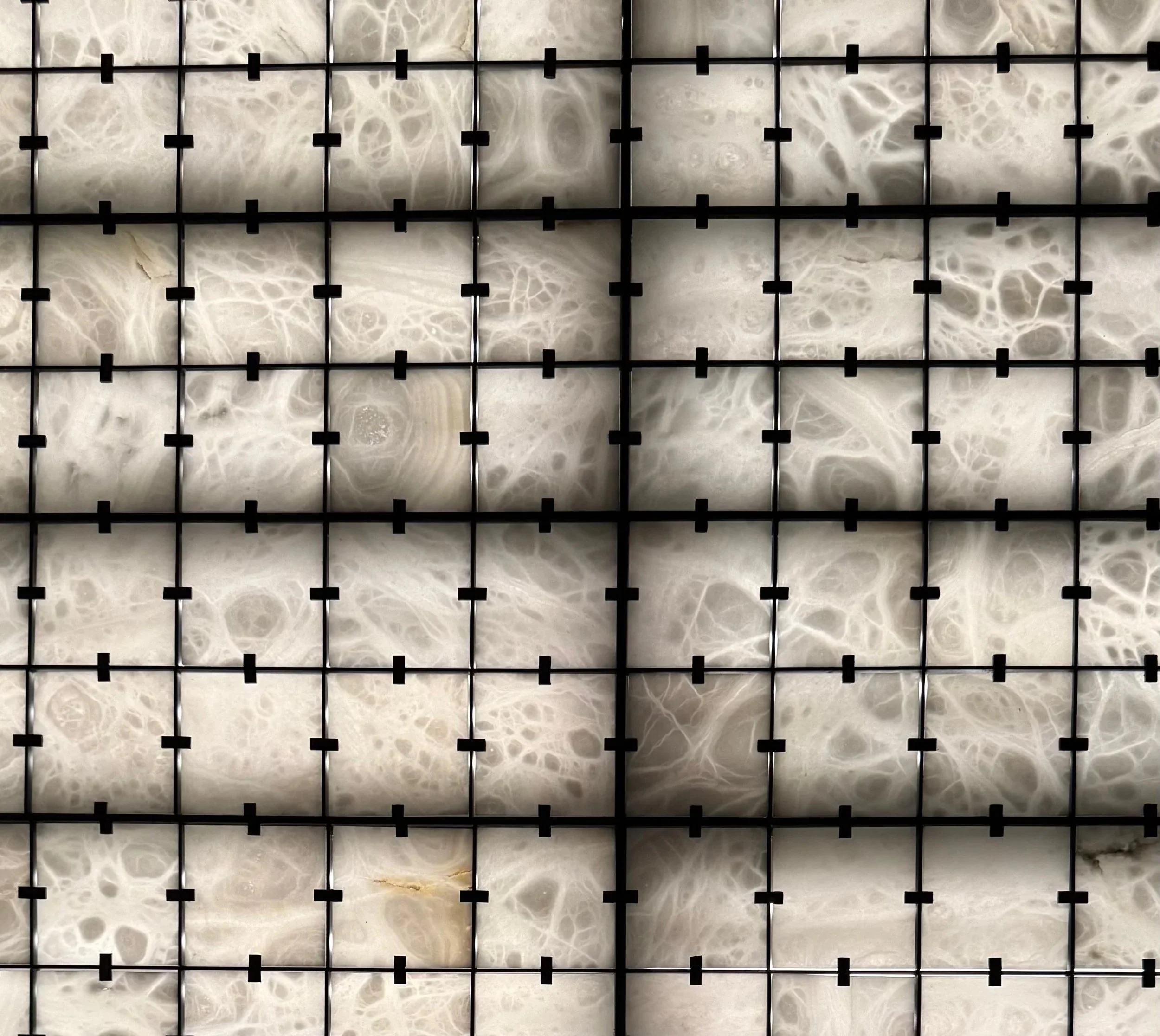
Materiality emerged as one of the central themes throughout the week. Natural stone, wood, metal, and textiles were not only combined but actively reinterpreted. “I was particularly impressed by how consistently brands are experimenting with materials,” says Wolf. Stone appeared in unexpected applications, detached from its conventional role, while metal—especially in brushed and patinated finishes—made a confident return, adding depth and contrast.
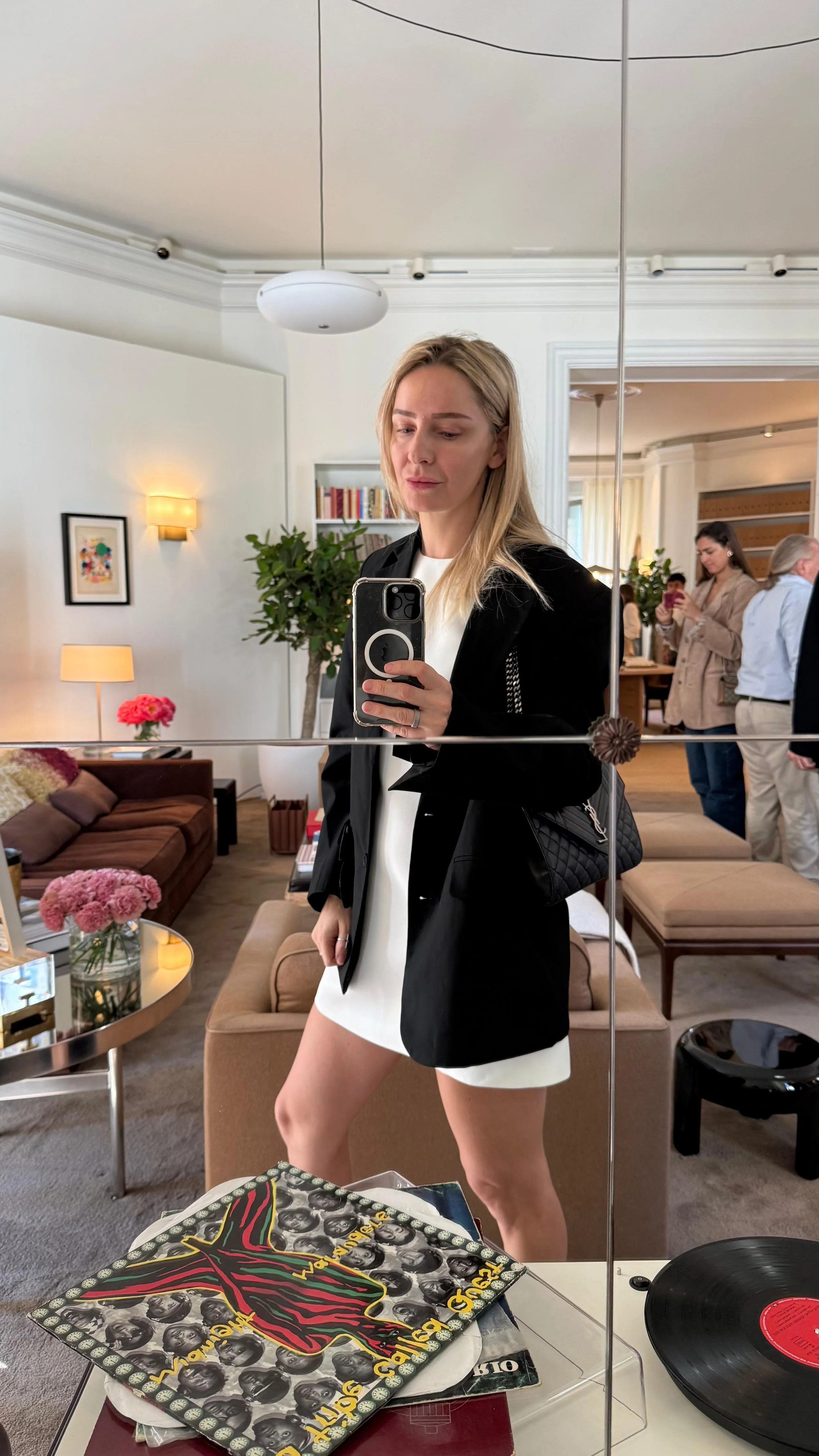
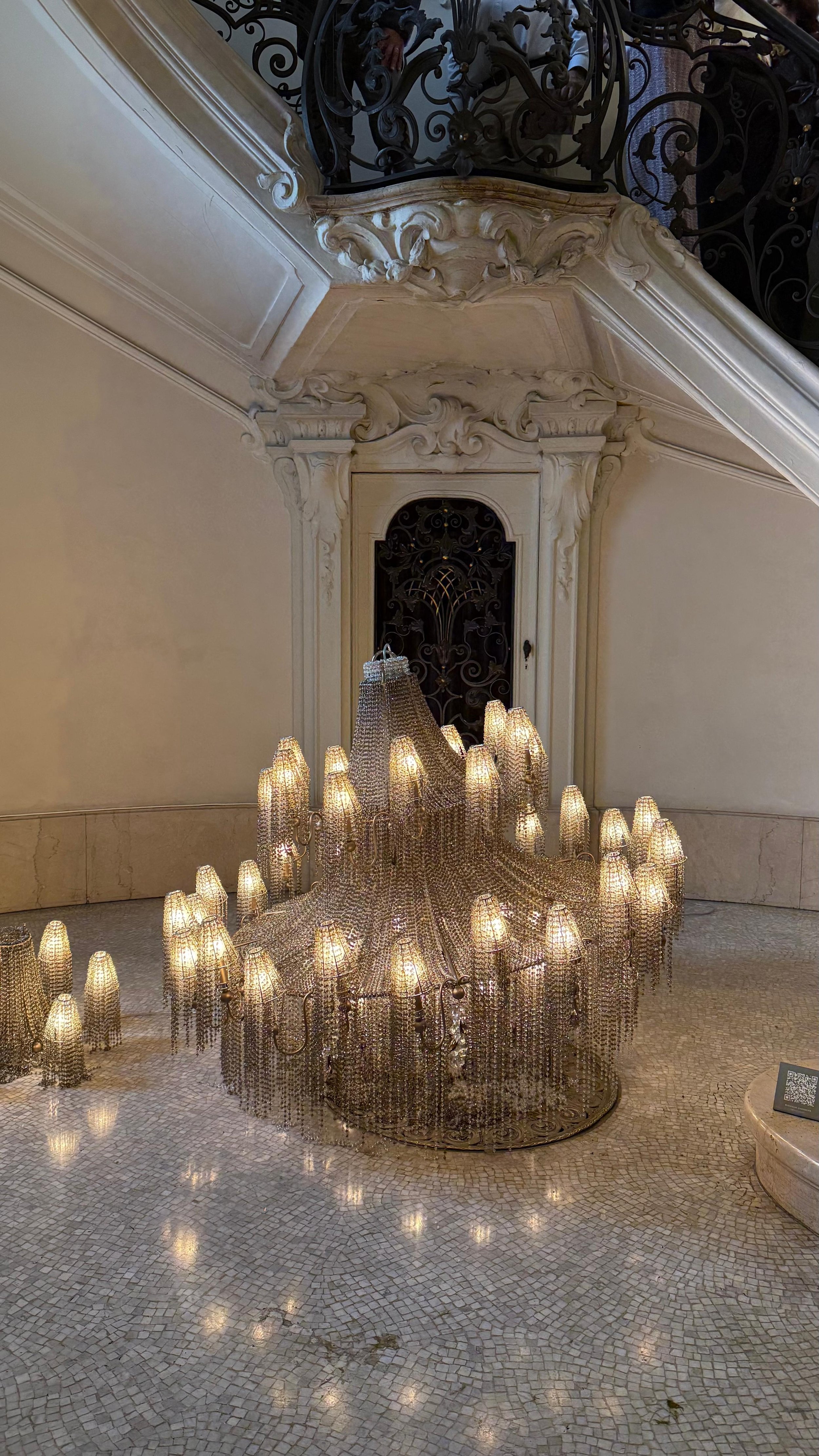
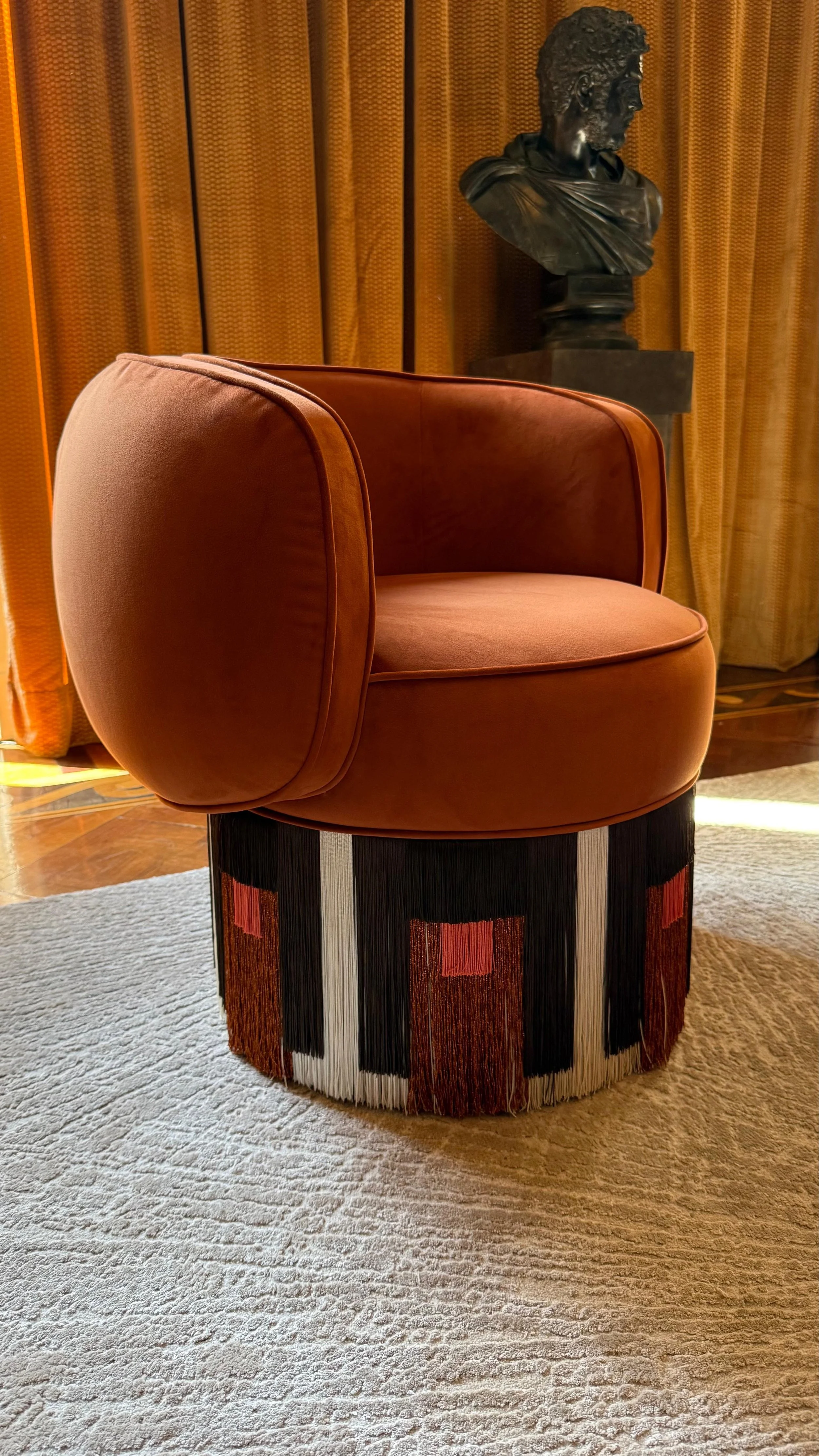
At the same time, the formal language of design is evolving. Rigid geometries are increasingly replaced by softer, more organic, sometimes sculptural forms. Furniture is no longer purely functional—it exists in a space between utility and object. This development reflects a broader shift that Wolf also observed: “The boundaries between furniture, architecture, and art are dissolving more and more.” Many installations felt less like exhibitions and more like spatial experiences.
This transformation becomes even more apparent beyond the fair itself. Installations such as L’Appartamento by Artemestdemonstrate how powerful curated environments can be when materials, objects, and art converge into a cohesive narrative. Similarly, presentations by Gaggenau at Villa Necchi Campiglio or SolidNature at ME Milan Il Duca highlight how brands increasingly operate as spatial storytellers rather than product exhibitors.
For Wolf, this is precisely where the real value of the week lies: “The exhibitions in the city are often even more exciting than the fair itself.” While the halls are dominated by new product launches and commercially driven collections, the city becomes a platform for experimentation. “The most interesting ideas happen in the Fuorisalone—where fashion, art, and design merge and create entirely new perspectives on space.”
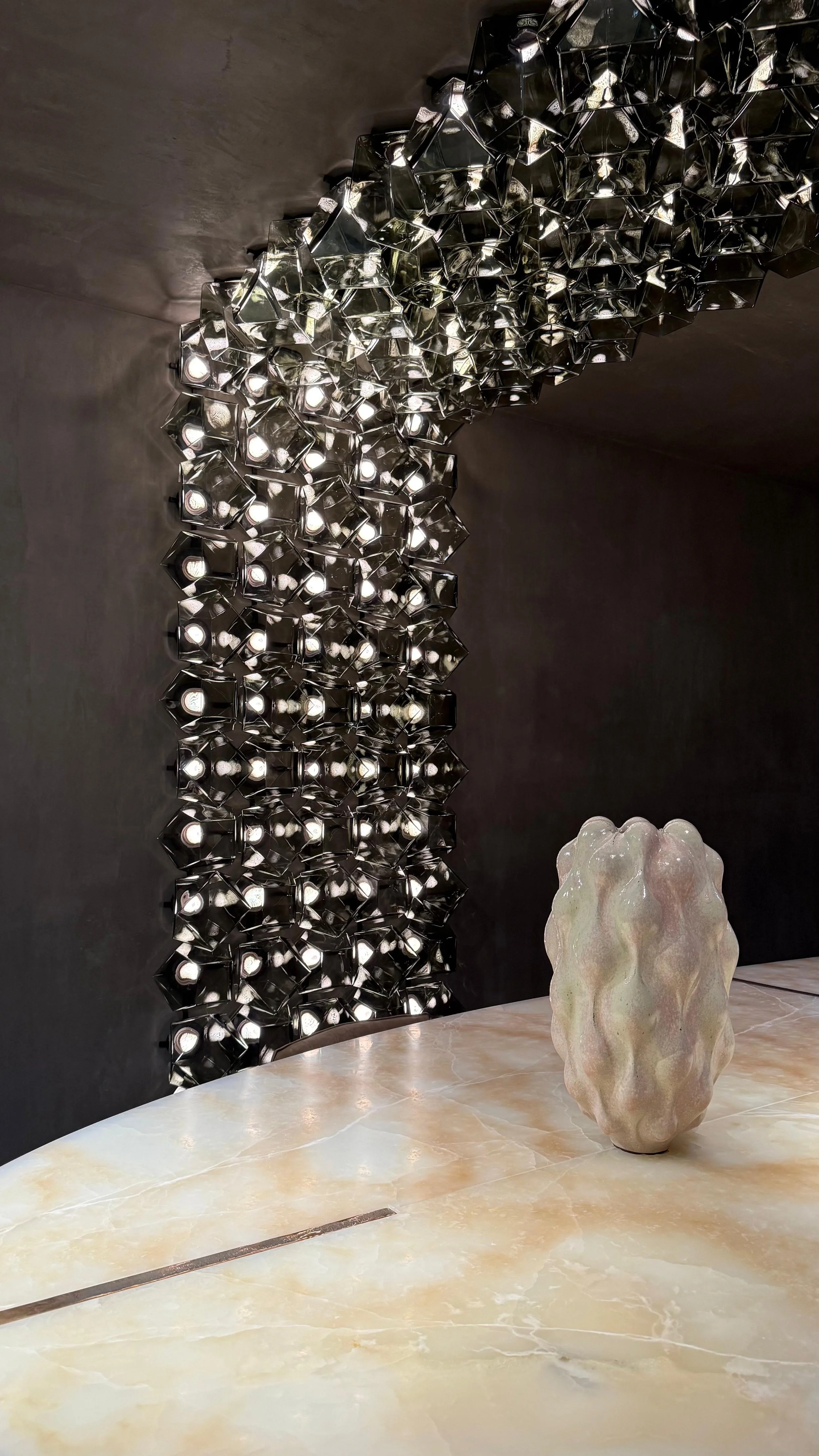
From a stylistic standpoint, several tendencies can be identified. Materiality remains at the forefront—often expressed through darker, textured woods combined with stone, metal, and textiles. Forms become softer and more fluid, while deliberate contrasts between raw and refined elements create tension. Another defining aspect is the growing importance of individuality. “You can clearly feel the desire for tailored solutions—moving away from the standard towards unique, character-driven concepts,” Wolf notes.
This marks a fundamental shift in how interiors are understood. Spaces are no longer neutral containers—they are carriers of identity, narrative, and intention. They are curated with precision, often balancing restraint with expression. At the same time, a quieter, more material-driven form of luxury is emerging—less about overt display, more about depth, quality, and authenticity.
The Salone del Mobile 2026 ultimately presents less a set of isolated trends and more a clear direction: design as a medium, space as a message.
Or, as Stefanie Wolf summarizes it in three words: “Bold. Bespoke. Unique.”
And perhaps that is the most relevant takeaway—spaces are no longer defined by what they contain, but by what they communicate, and who they are ultimately created for.