
Run Culture Reimagined
How New Balance Is Turning the Marathon into a Cultural Experience
Running used to be purely functional—training, discipline, finish times. But what unfolded around this year’s Rome Marathon shows just how much that perspective has shifted. New Balance didn’t just support an event—it created an entire world, staged inside a Renaissance hall dating back to 1478, somewhere between historical setting and contemporary brand experience.
The setting alone tells the story: centuries-old architecture meets modern run culture. A deliberate contrast that goes beyond visual impact. It’s about atmosphere, emotion, and the feeling of being part of something bigger. This is exactly where the new generation of sports marketing begins—not through performance alone, but through experience.
The program reflects this shift. It reads less like a traditional race warm-up and more like a holistic ritual: breathwork sessions for mental preparation, community runs through the city, recovery massages, and a post-race DJ set that celebrates the moment instead of simply ending it. The marathon isn’t just run—it’s experienced, extended, emotionally amplified.
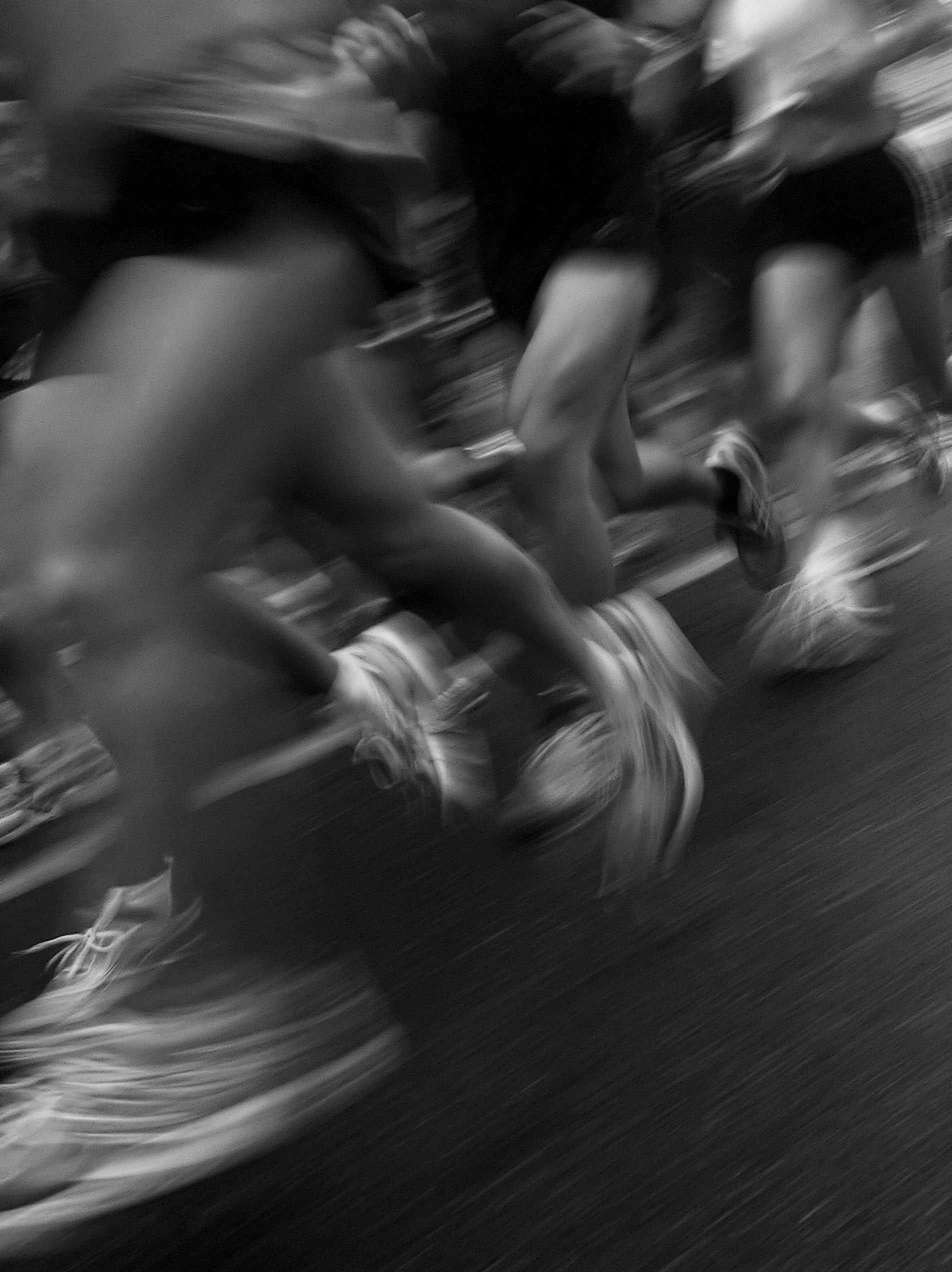
This evolution is no coincidence. Running has transformed in recent years—from an individual discipline into a global, community-driven movement. Cities, brands, and creators are shaping new narratives where belonging, lifestyle, and aesthetics matter just as much as pace and distance. The run itself is now only one part of a bigger picture.
For brands like New Balance, this creates a clear opportunity. They are no longer seen merely as outfitters, but as curators of experiences. The pop-up becomes a stage, the community the central element. It’s no longer about showcasing products—it’s about creating moments that last.
Places like Rome amplify this effect even further. Few cities combine history, aesthetics, and emotion so powerfully. The marathon there is already one of the most visually striking on the global calendar—when that backdrop merges with a curated brand experience, a new level of event culture emerges.
What becomes visible here is part of a broader shift: sport is turning into a cultural space. Between wellness, community, and entertainment, new formats are emerging that go far beyond competition itself. The run doesn’t end at the finish line—it flows into music, connection, and shared memory.
And that’s where the future of such events lies.
Not faster. Not harder. But more meaningful.