
LIFESTYLE | JULY 2026 | 5 MIN READ
ROLEX GETS MORE EXPENSIVE
What Makes the Watches Even More Desirable
In most markets, a simple rule applies: rising prices dampen demand. People compare longer, delay decisions, or look for alternatives. In the luxury segment, however, this logic appears increasingly to be losing its validity. Rolex has already raised the prices of its gold models twice within a few months in 2026. On average, prices are rising again by around five percent. The obvious reason is clear. Gold has become significantly more expensive in recent years and is now moving at a historic high. This affects almost all luxury brands with precious metal models. Other manufacturers have also adjusted their prices. Yet hardly any brand attracts as much attention as Rolex. The reason lies not only in the watches themselves, but in the particular position the brand has built over decades.
Rolex is one of the few luxury companies in the world whose products remain desirable even as they continuously become more expensive. While other brands must communicate price increases cautiously, Rolex appears to profit from precisely this effect. The watches become more costly and simultaneously more attractive. What initially seems contradictory says a great deal about the development of the modern luxury market. For a long time, luxury was defined primarily through quality. High-quality materials, artisanal perfection, and decades of tradition justified the price. Today, value is frequently created on an additional level. Exclusivity is no longer generated solely through the product itself, but increasingly through its availability.
This is exactly where Rolex has created a position that is almost unique in the industry. The brand no longer sells merely timepieces. It sells access to a world that remains deliberately limited. Waiting lists have meanwhile become as much a part of the product as the dial or the case. Scarcity doesn't function like a problem that needs solving, but like a component of the system. This is particularly visible in models such as the Daytona. Many variants achieve prices on the secondary market that significantly exceed the official list price. The watch thereby becomes, for many buyers, more than a luxury product. It becomes a collector's item, a status symbol, and in some cases even a form of investment.
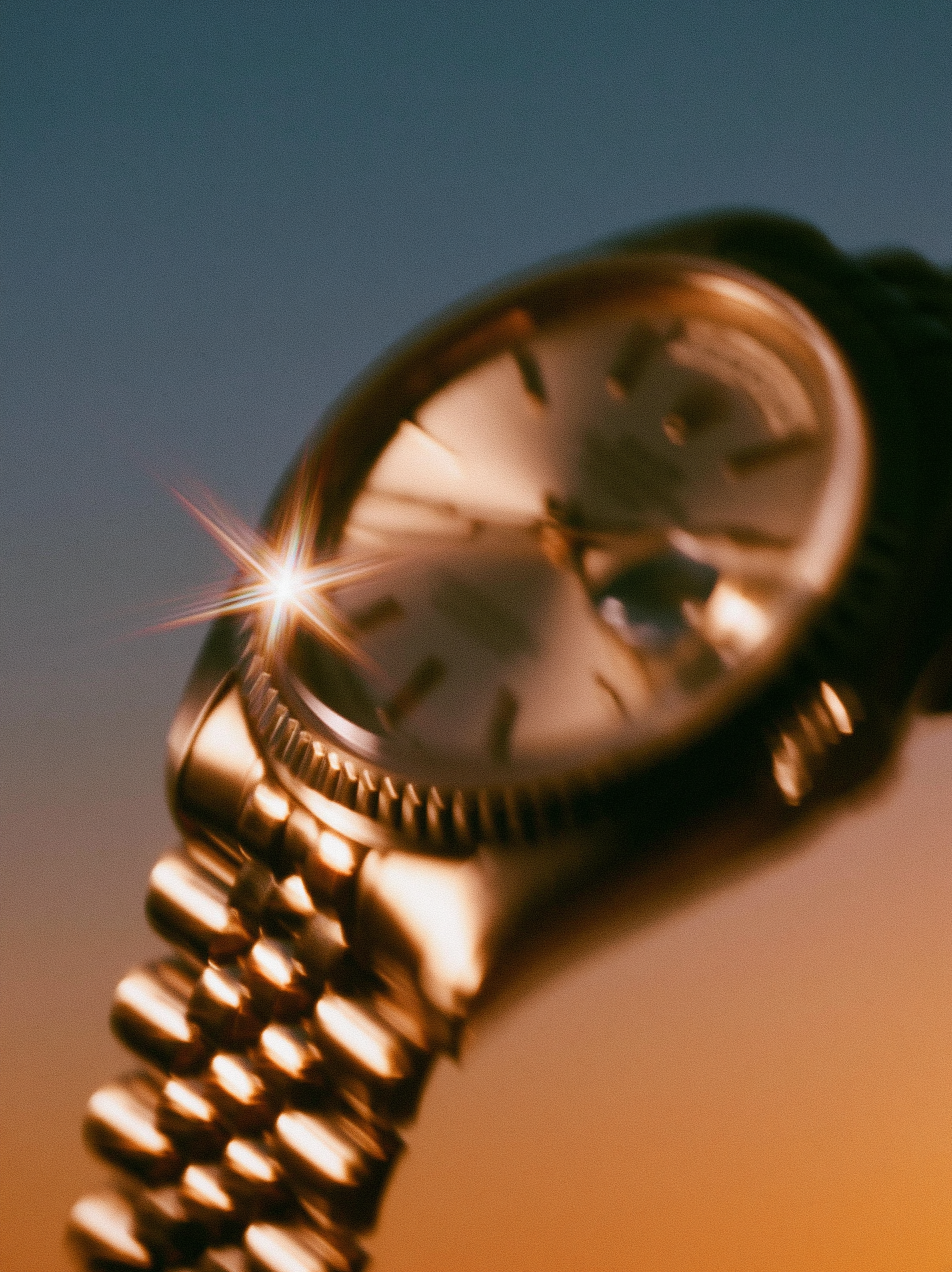
What is particularly interesting is what this development reveals about the luxury industry as a whole. While numerous brands are trying to attract younger target groups and lower the barrier to entry into their product world, some manufacturers are increasingly concentrating on the very top market segment. The economic significance of high-priced models has been growing for years, while cheaper luxury products are under considerably greater pressure. Rolex appears not merely to be observing this shift, but actively using it. The brand is positioning its precious metal models ever more consistently as prestige objects for a clientele whose purchasing decisions are not primarily determined by price.
The current price increase is therefore more than a reaction to rising raw material costs. It shows how profoundly the definition of luxury has changed. For many buyers today, the question of whether they can afford a product is no longer central. What matters is whether they even get the chance to acquire it. That's precisely where the particular strength of Rolex lies. The brand manages to link scarcity, prestige, and desirability so tightly that each further price increase is not necessarily perceived as an obstacle. For some collectors, it even functions as a confirmation of the value they see in their watch. Perhaps that's the real insight from this development. Rolex doesn't raise its prices in spite of demand. Rolex can raise its prices because demand remains unbroken. And as long as that doesn't change, each new price round will appear less as a risk — and more as further proof that true exclusivity doesn't arise from something being expensive, but from not everyone having access to it.