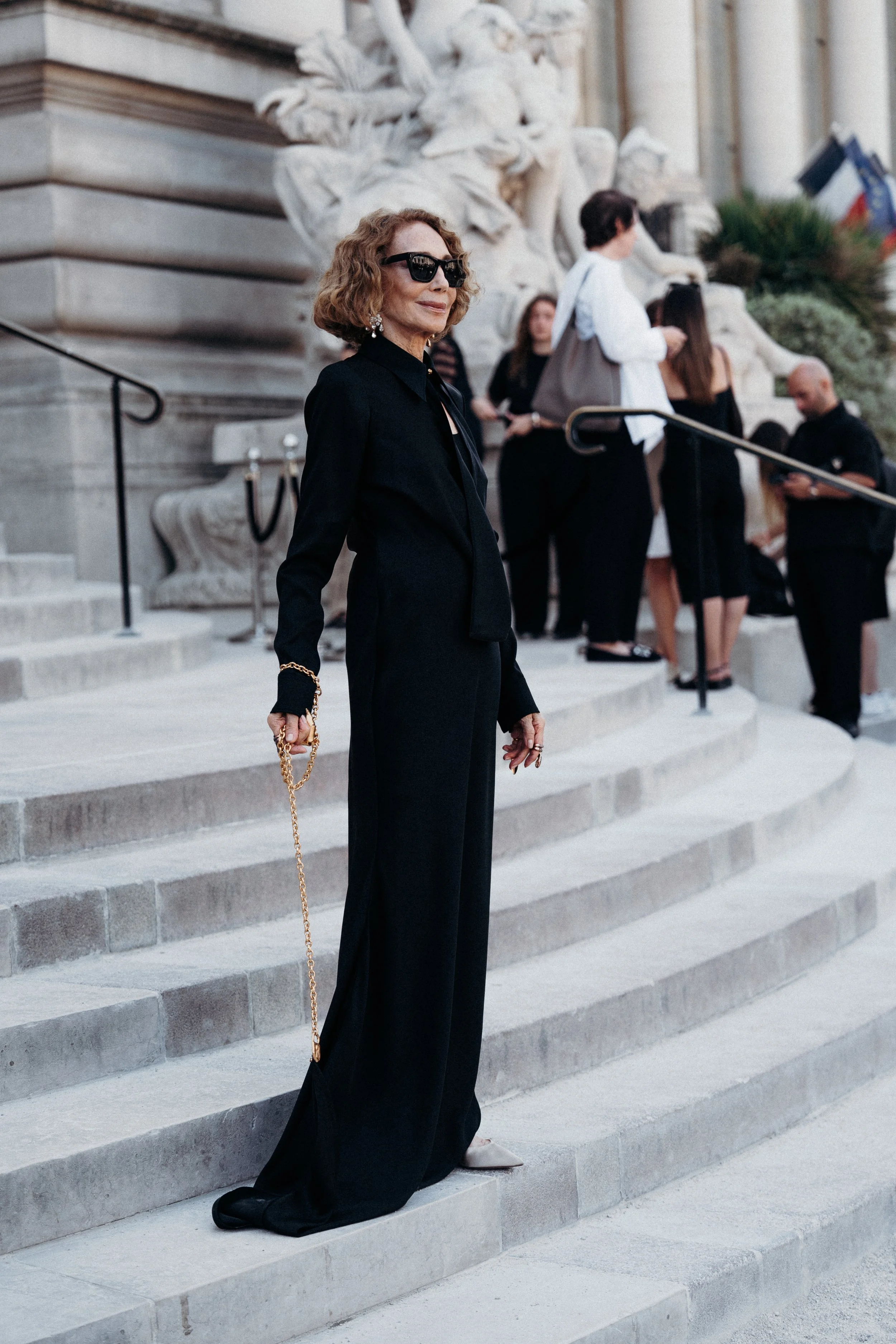
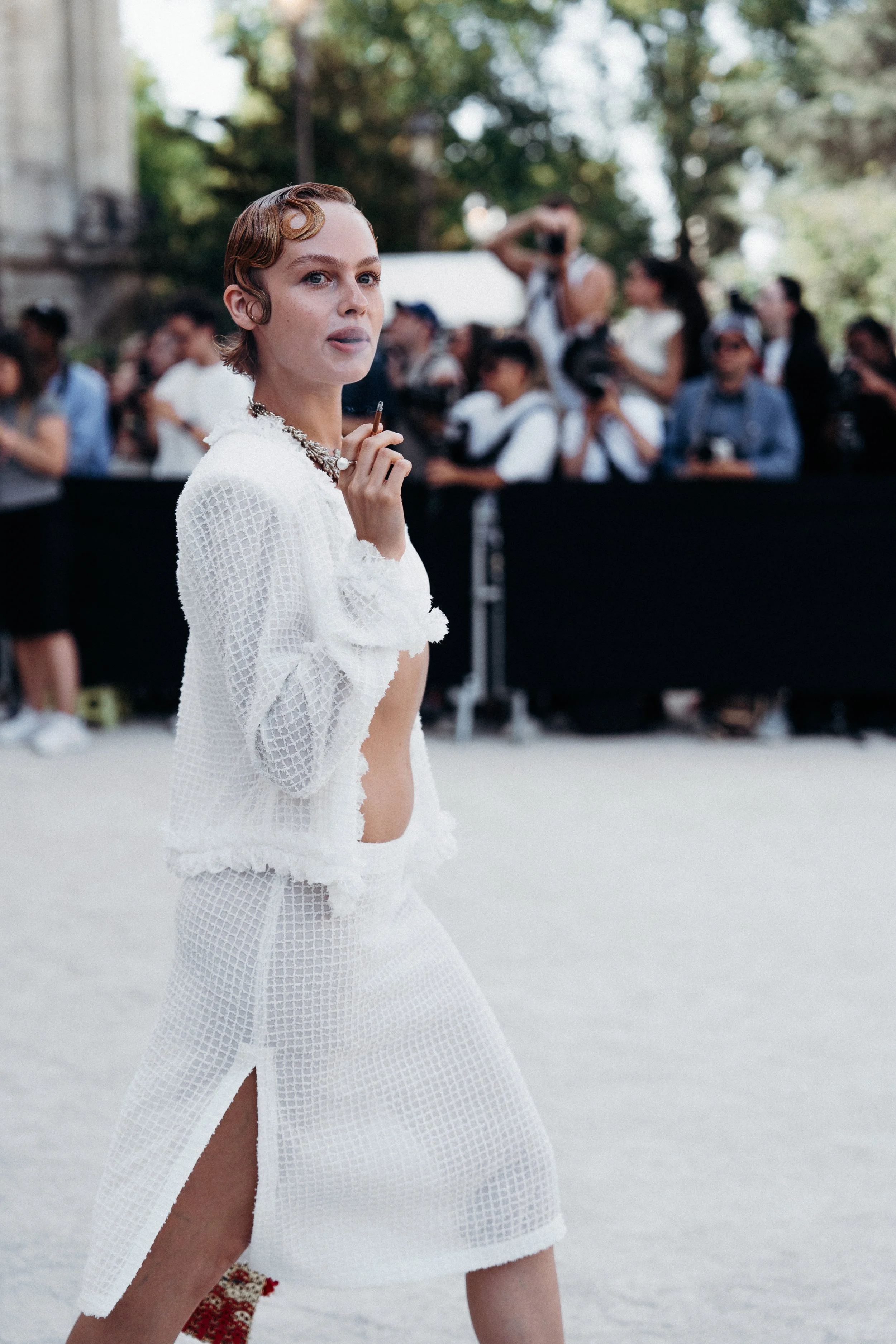
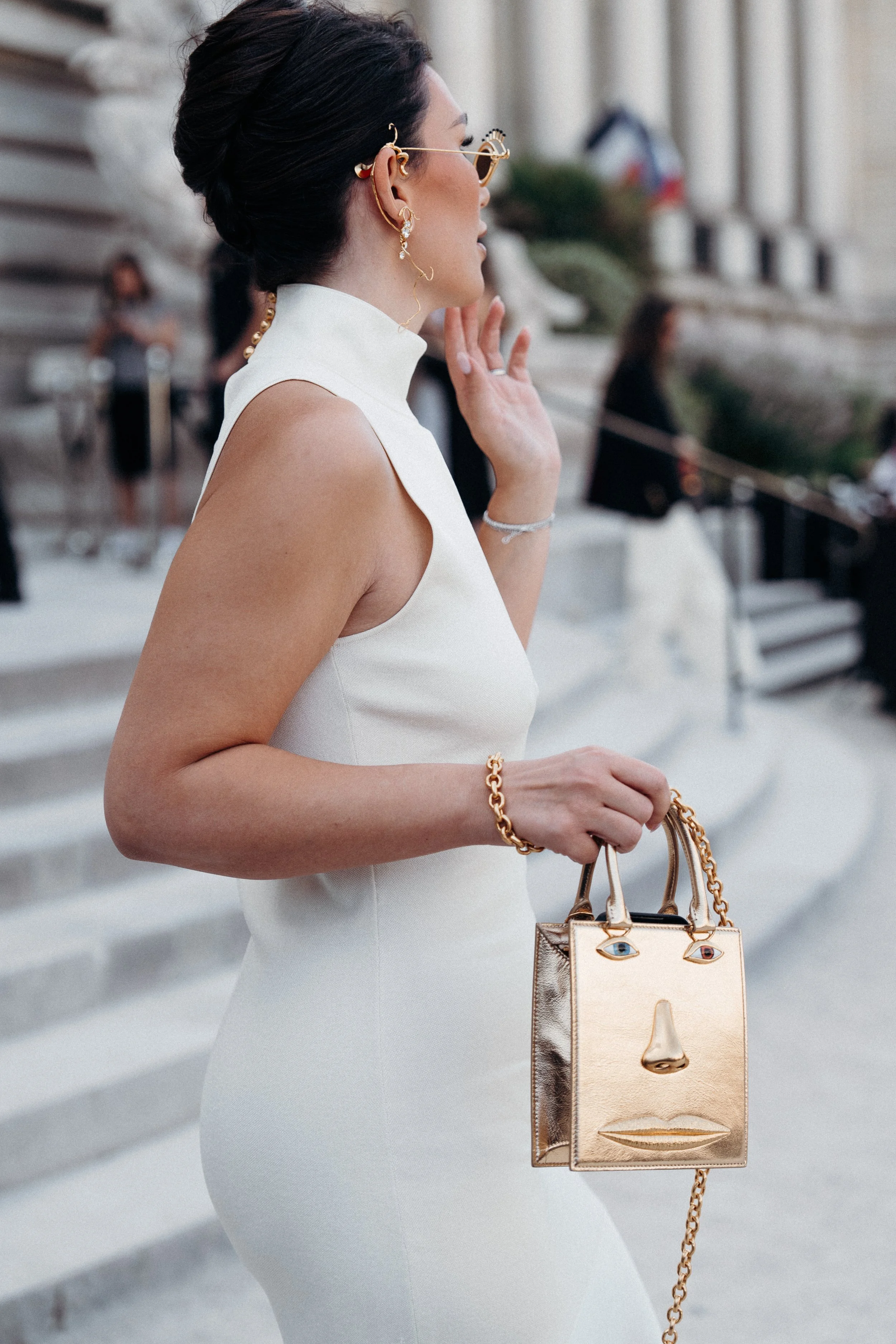
FASHION | JULY 2026 | 5 MIN READ
When Couture Remembered What It Was For
PARIS HAUTE COUTURE FASHION WEEK 2026
Four days. Thirty houses. A season defined not by one dominant aesthetic, but by a shared conviction: that the most radical thing haute couture can do right now is mean something.
Something has shifted in Paris. Not in the way fashion weeks shift — seasonally, cyclically, with the predictable pendulum swing between maximalism and restraint that the industry has been narrating for decades. This was something less legible and more fundamental. A sense that the people making the clothes had arrived at this particular July with a question they were genuinely trying to answer — not perform, not approximate, but answer.
What is couture actually for?
The responses were as different as the houses themselves. But across four days and thirty collections, a common thread emerged that had nothing to do with silhouette or palette or the usual vocabulary of trend analysis. It had to do with conviction. With the willingness to commit fully to an idea — to follow it wherever it led, without the safety net of commercial logic or the comfort of the familiar. The season that resulted was, by any honest assessment, one of the most genuinely alive couture weeks in years.
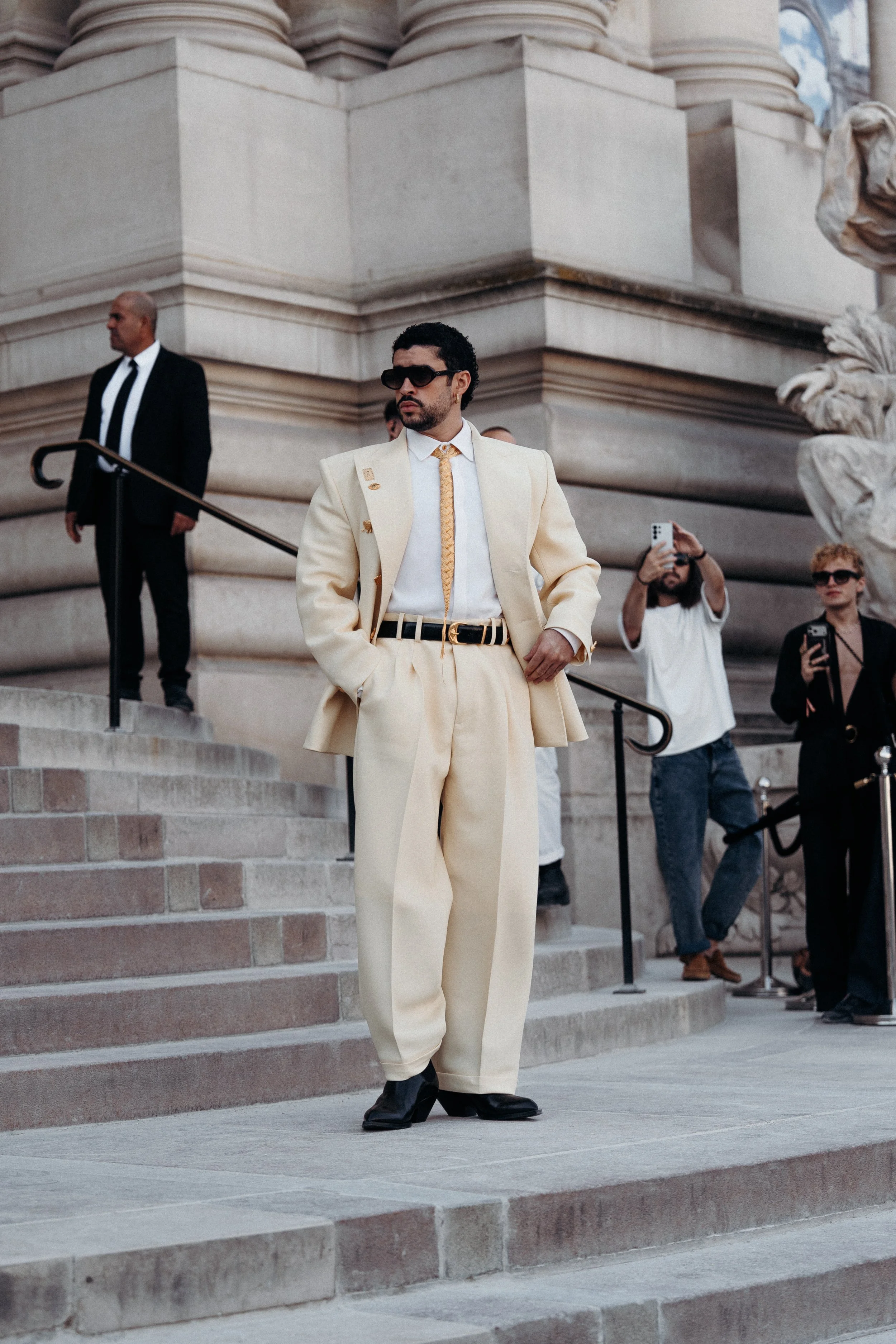
Schiaparelli — The Abyss
Daniel Roseberry opened the week at Place Vendôme with a question written into the fabric of every look: what happens when a designer stops asking what couture should look like and starts asking what it could be made of?
The collection, titled "The Abyss," was a study in material transgression. Silicone bustiers poured into abstract form. Latex in colours that moved between lobster pink, violet, tangerine and pale mint. Kinetic latex tentacles that shifted as models walked. Entire looks embedded with real flowers and fish scales, fringed skirts woven with micro-lights that glowed on the runway. The Schiaparelli house colour — that saturated gold — appeared not as finish but as sculpture, as armour, as three-dimensional art that happened to be worn. Roseberry had written in his show notes that formulas are antithetical to the magic of creation, which can be found only in total surrender to the unknown. He lived up to it. This was a collection that refused the reassurance of precedent — not because precedent was wrong, but because surrender to the unknown is exactly what the house, at its best, has always understood itself to be for. The closing look — worn by Zendaya to a film premiere in London hours after the show ended — was the kind of image that transcends the runway entirely. It becomes a cultural moment before the week is even over.
Dior — The Pleat as Philosophy
Jonathan Anderson arrived at the Musée Rodin for his sophomore haute couture collection with a sculptor rather than a couturier as his reference. The American artist Lynda Benglis — whose practice transforms flat materials into dynamic three-dimensional objects through knotting, pleating, and moulding — gave Anderson not an aesthetic but a methodology. The collection was built almost entirely from the physics of the fold. Anderson worked a vocabulary of pleats and plissés, multiplying and doubling back on themselves, treating fabric the way Benglis treats metal or beeswax — as a material that becomes something else entirely through the act of manipulation. What made this collection convincing was its intellectual honesty. Anderson wasn't borrowing Benglis's visual language. He was interrogating the shared mechanism between sculpture and dressmaking — the way both practices transform a flat plane into a three-dimensional gesture. It produced the Dior clothes that looked most recognisably Anderson since he arrived at the house: short panniered gowns in plissé lamé in tarnished platinum and gilt, worn over trousers, carrying his tense and contradictory combinations of kooky avant-garde with timelessness, of trashiness with elegance. The shoes — embroidered, with dulled square toes — read as modern reinterpretations of the Versailles slippers Roger Vivier made for Christian Dior in the 1950s. The handbags, painted in porcelain or assembled from antique fragments of 18th-century chintz, were entirely one-offs. Objects in the truest sense — made once, for one person, never again. That is the promise of couture. Anderson delivered on it completely.
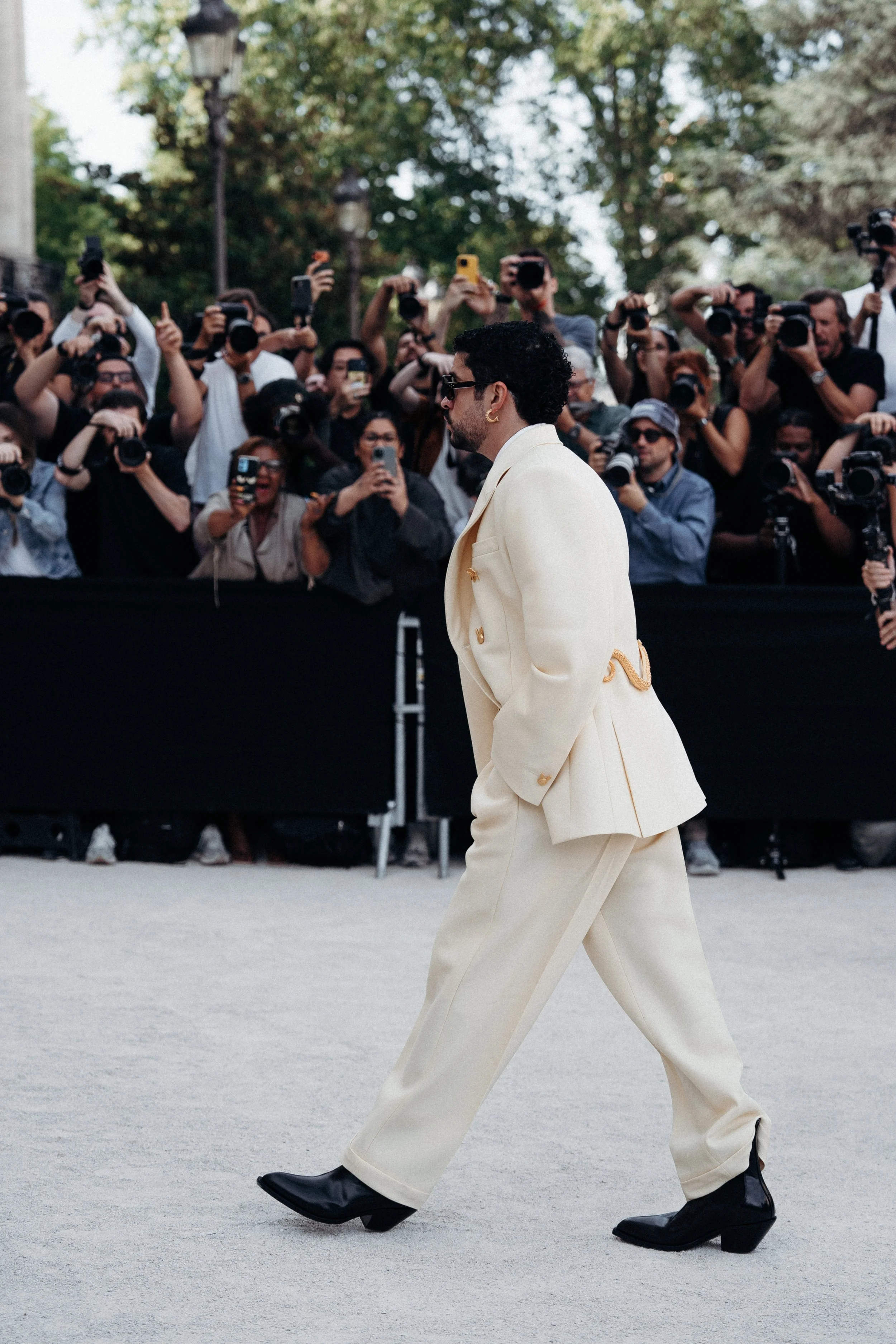
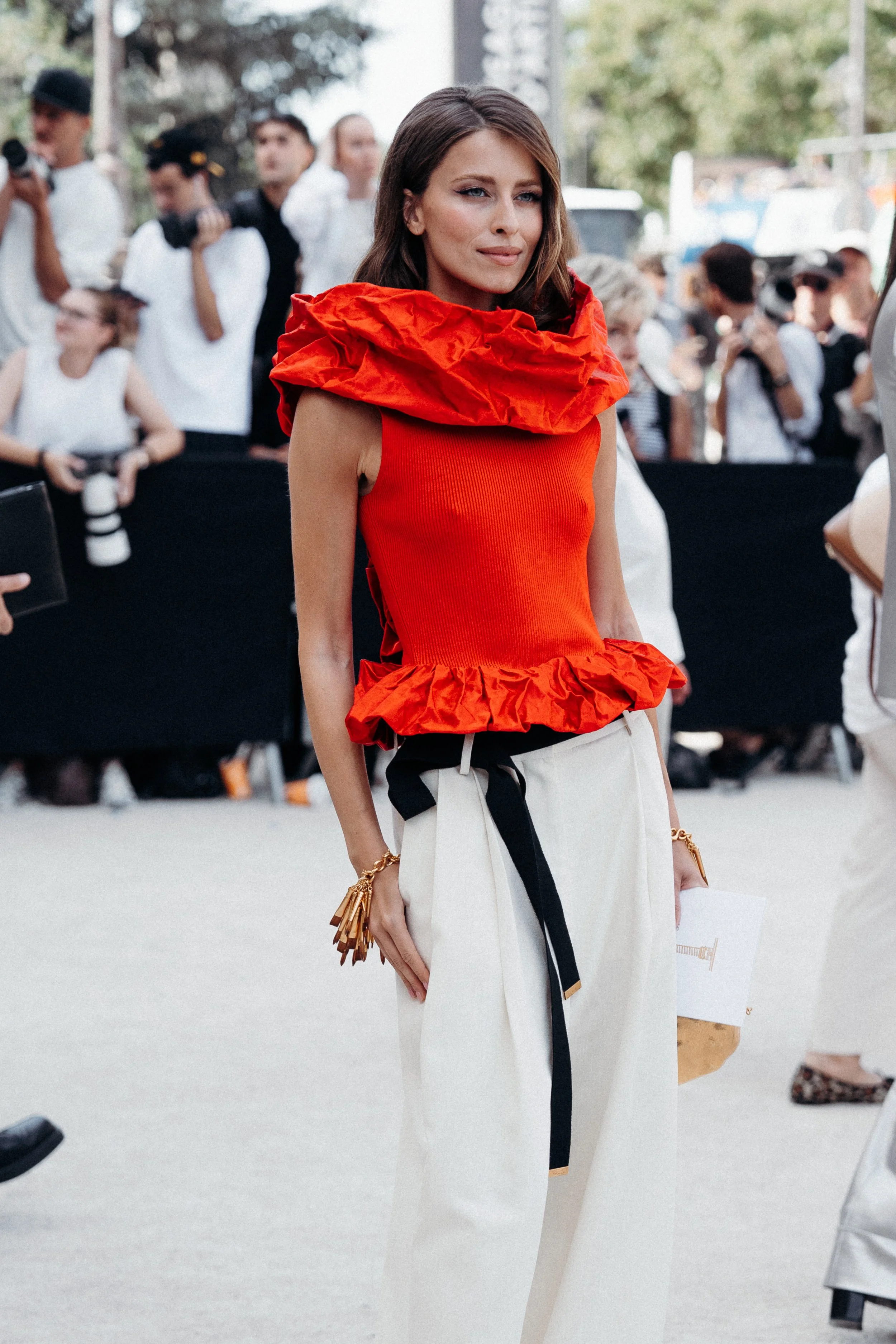
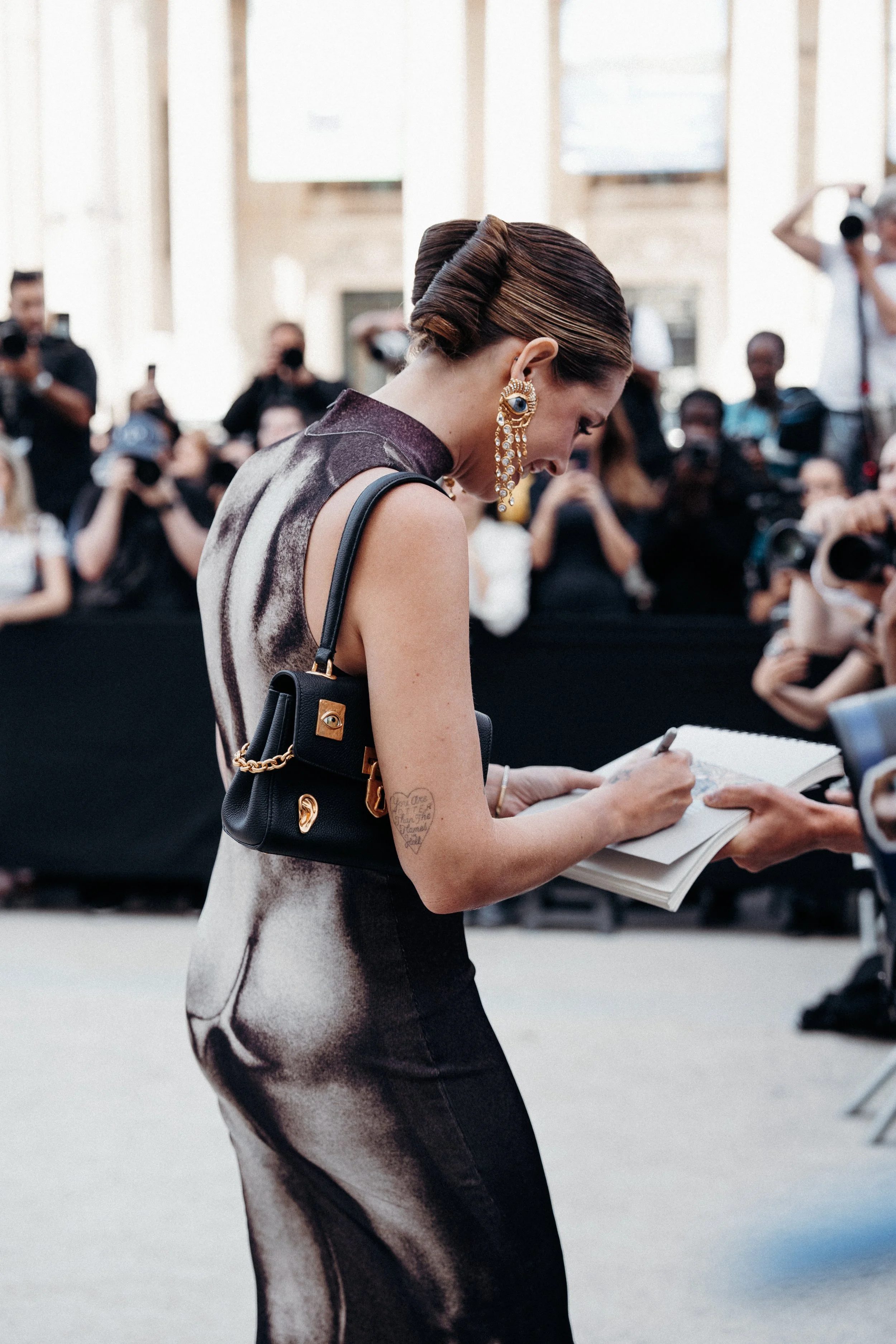
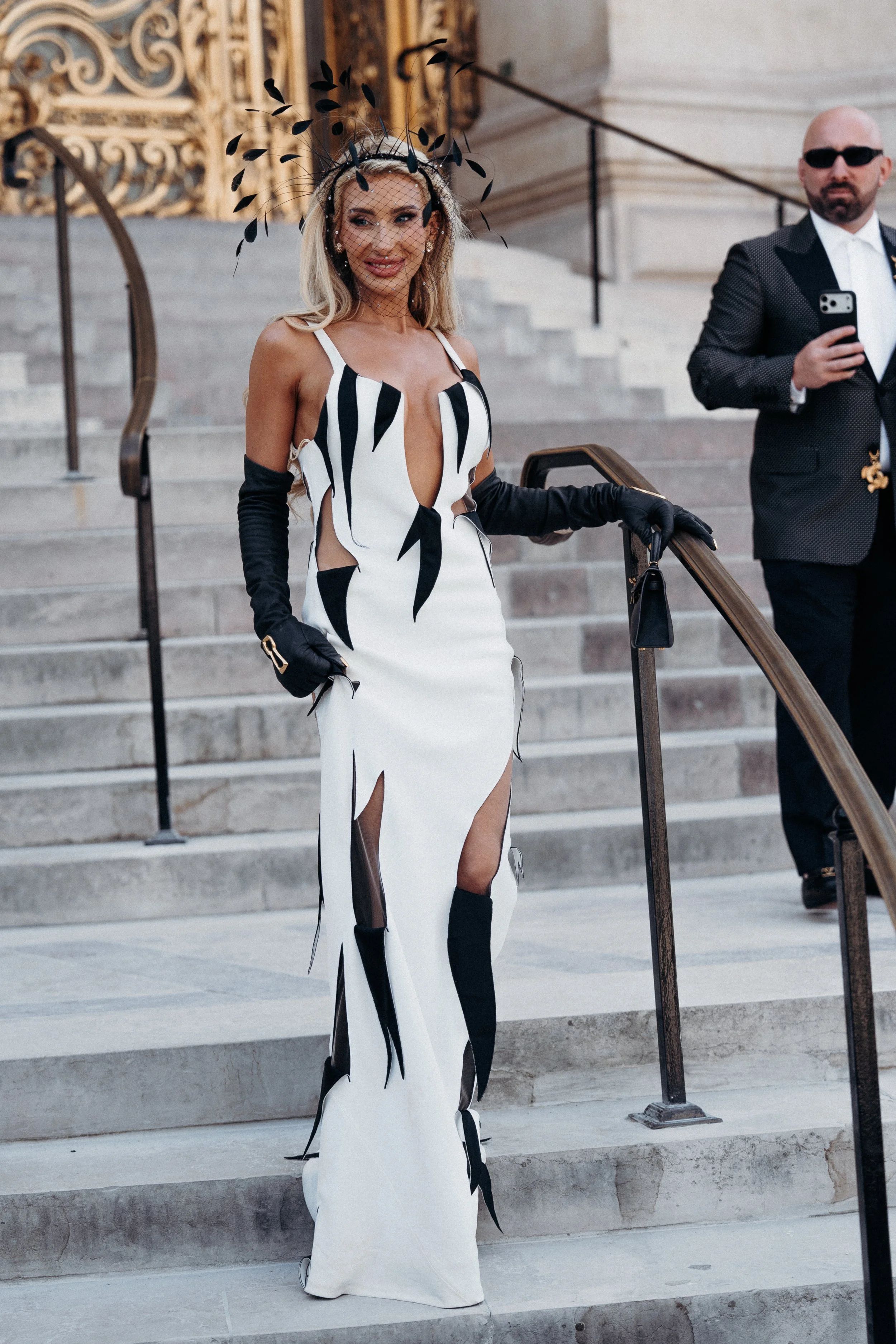
PHOTOGRAPHY BY ON MODE STUDIO
Chanel — Gaby and the Beanstalk
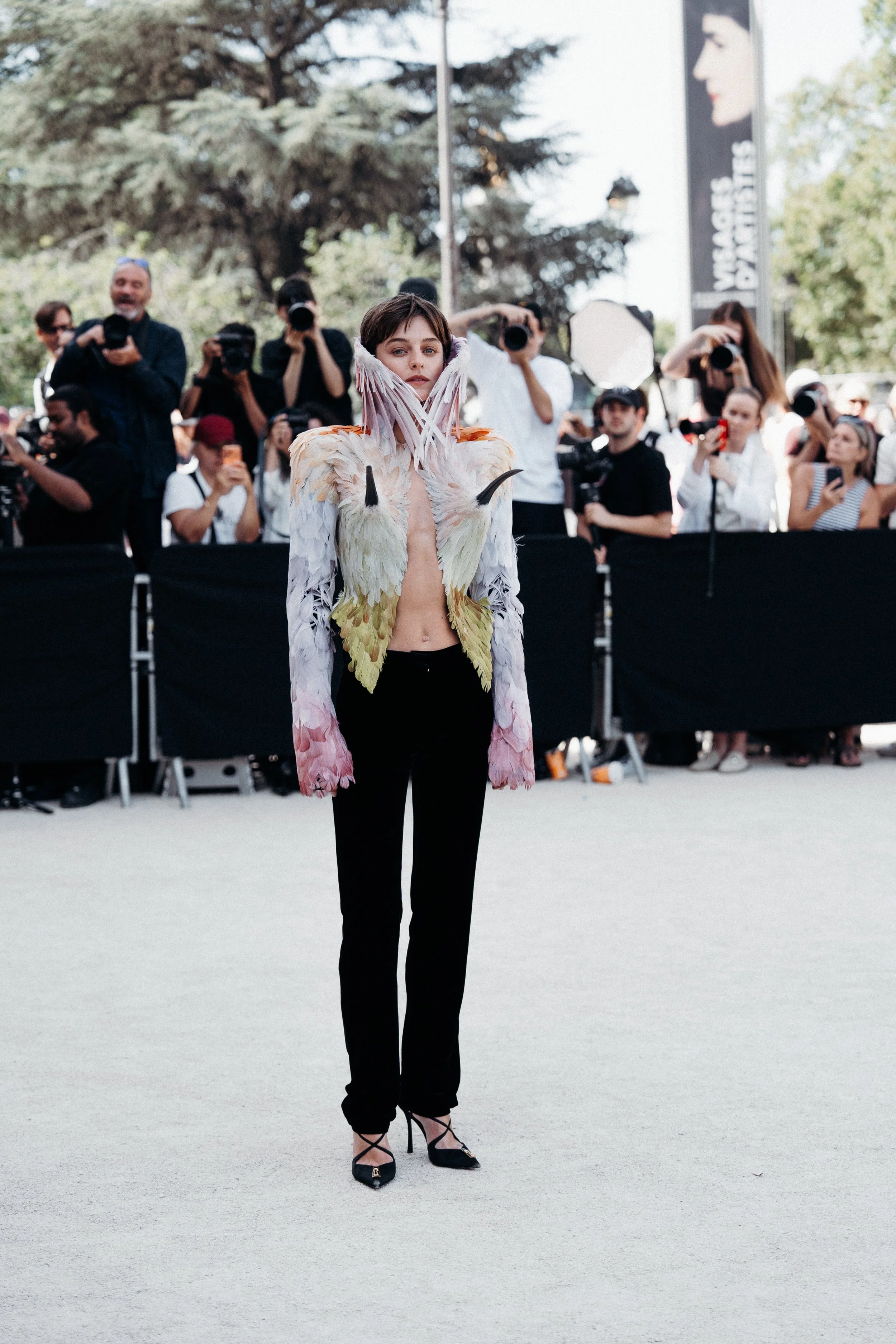
If Anderson treated couture as a philosophical exercise, Matthieu Blazy treated it as a fairy tale. Not as metaphor — as literal interpretation. Blazy found a leather-bound tome of classic fairy tales — Charles Perrault's Les Fées — in the Paris apartment of Gabrielle Chanel herself, and asked the question that shaped everything that followed: is Gabrielle's life a fairy tale as well? The answer arrived in the Grand Palais, where a giant beanstalk erupted through the floor and psychedelic flowers climbed toward the ceiling. Sounds of birdsong opened the show. Models moved through spiralling vines in looks that carried Chanel's entire vocabulary — tweed, camellias, chain hems, the two-tone slingback — refracted through storybook logic. Heels were shaped like golden eggs and swirling vines. Buttons depicted boots, cats and luck charms. A tufted raffia scarecrow jacket nodded to the darker edges of fairy tales, while suits were layered with gold chains and tiny beads like couture kintsugi — fractured and repaired, beautiful in the breaking. Rather than closing with the traditional bridal look, Blazy ended with a black off-the-shoulder dress — a nod to Coco Chanel's own perpetual unmarried status. A woman who created her life because her life did not please her. The quote that opened the show notes. The entire collection, in a single sentence.
Balenciaga — The Return of Piccioli
The most anticipated debut of the season came on Wednesday, when Pierpaolo Piccioli — who left Valentino in 2024 after a celebrated twenty-five year tenure — presented his first couture collection for Balenciaga, staged in a scenic courtyard at the Cité Internationale Universitaire de Paris. The convergence was almost too obvious to be interesting: the designer most associated with colour and romantic maximalism, arriving at the house most associated with structural radicalism and, more recently, Demna-era provocation. And yet Piccioli resolved it not through compromise but through precision. Maximalist surfaces on minimalist shapes became the recurring logic of the collection — tubular embroideries and silky hairs lapping under lean cashmere coats, a vast strapless gown adorned with 24,150 shredded gazar petals disturbed by the actual breeze of the outdoor venue. The balloon silhouette — crucial to Balenciaga since its introduction in 1953 — was worked into jackets and oversized skirts, while Balenciaga's 1950 couture silhouette was reworked into a black evening gown of silk chiffon. The sack dress appeared in a silk and wool version, and in a slouchy vibrant yellow sequin interpretation that was entirely, unmistakably Piccioli. What made the collection significant was not the synthesis — it was the seriousness. Piccioli came out for his bow with the entire couture studio in their white atelier coats, as has been his tradition. He thanked and credited each maker by name in the show notes. In a week that was exploring what couture is for, this felt like the clearest answer of all: it is for the people who make it.
Iris Van Herpen — The Fourth State of Matter
If any single collection this season demanded to be discussed in terms that exceed fashion entirely, it was Iris Van Herpen's "Sympoiesis." Van Herpen, who works exclusively in couture and currently has an exhibition at the Brooklyn Museum, presented a collection she described as the first time her studio had worked with the fourth state of matter — plasma. The collection moved between jellyfish-inspired silhouettes and coral-like textures, incorporating bioluminescent algae in a living garment created in collaboration with biodesigner Chris Bellamy. Translucent fabrics and fluid silhouettes captured the movement of ocean ecosystems, with kinetic designs that responded to the body in motion. Van Herpen occupies a position in haute couture that belongs to no one else — at the intersection of science, craft, and a rigorous environmental consciousness that informs every material choice. "Sympoiesis" — meaning becoming-with, the idea that nothing exists in isolation — was the most precise conceptual framework of the week. And the clothes were proof that concept and beauty are not opposites.
What This Season Said
Four days in Paris produced something that the fashion industry occasionally needs reminding of: haute couture is not an archive. It is not a museum practice preserved for the benefit of a dwindling client list and an increasingly digital audience that watches from behind a screen. It is the most demanding creative laboratory in fashion. The place where the only constraint is what human hands can achieve, and where that constraint, paradoxically, is what makes everything possible. Roseberry went into the abyss and found new materials. Anderson turned a fold into a philosophy. Blazy turned a fairy tale into a vocabulary. Piccioli turned a debut into a dedication. Van Herpen turned plasma into a dress. Not one of them was playing it safe. Not one of them was answering the question of what couture looks like right now by looking at what couture looked like before. That willingness — to risk, to commit, to follow an idea to its complete conclusion — is what separated this particular July in Paris from so many that preceded it.
And it is, ultimately, what couture has always been for.
PHOTOGRAPHY BY ON MODE STUDIO