
Luxury hospitality is standing at a tipping point similar to what luxury fashion faced a few years ago. What was once defined by character, signature style, and true exclusivity is increasingly at risk of becominginterchangeable. More and more luxury hotels today are confronted with the same structural problem that fashion already knows: too much expansion, too many copies, too little genuine differentiation. Where iconic houseswith clear identities once stood, there are now perfectly designed yet emotionally interchangeable spaces that barely differ from Miami to Milan.
Marble lobbies, signature scents, Instagram-ready bars—everything flawless, everything predictable. Just like in fashion, where logos, drops, and collaborations maximized reach for years but gradually diluted brand identity, hospitality has also prioritized visibility over substance. Hotels have become content backdrops, stays turned into performative moments rather than memorable experiences.
The logic behind this is understandable: growth, scalability, investor security. But luxury doesn’t work linearly. The more reproducible an experience becomes, the less exclusive it feels. Guests—especially the new generationof high-net-worth individuals—are no longer looking for “luxury standards”; they seek attitude, intimacy, and meaning. They don’t want to know that something is expensive—they want to feel why it’s unique.
FROM RUNWAY TO LOBBY
IS LUXURY HOSPITALITY LOSING ITS SOUL?
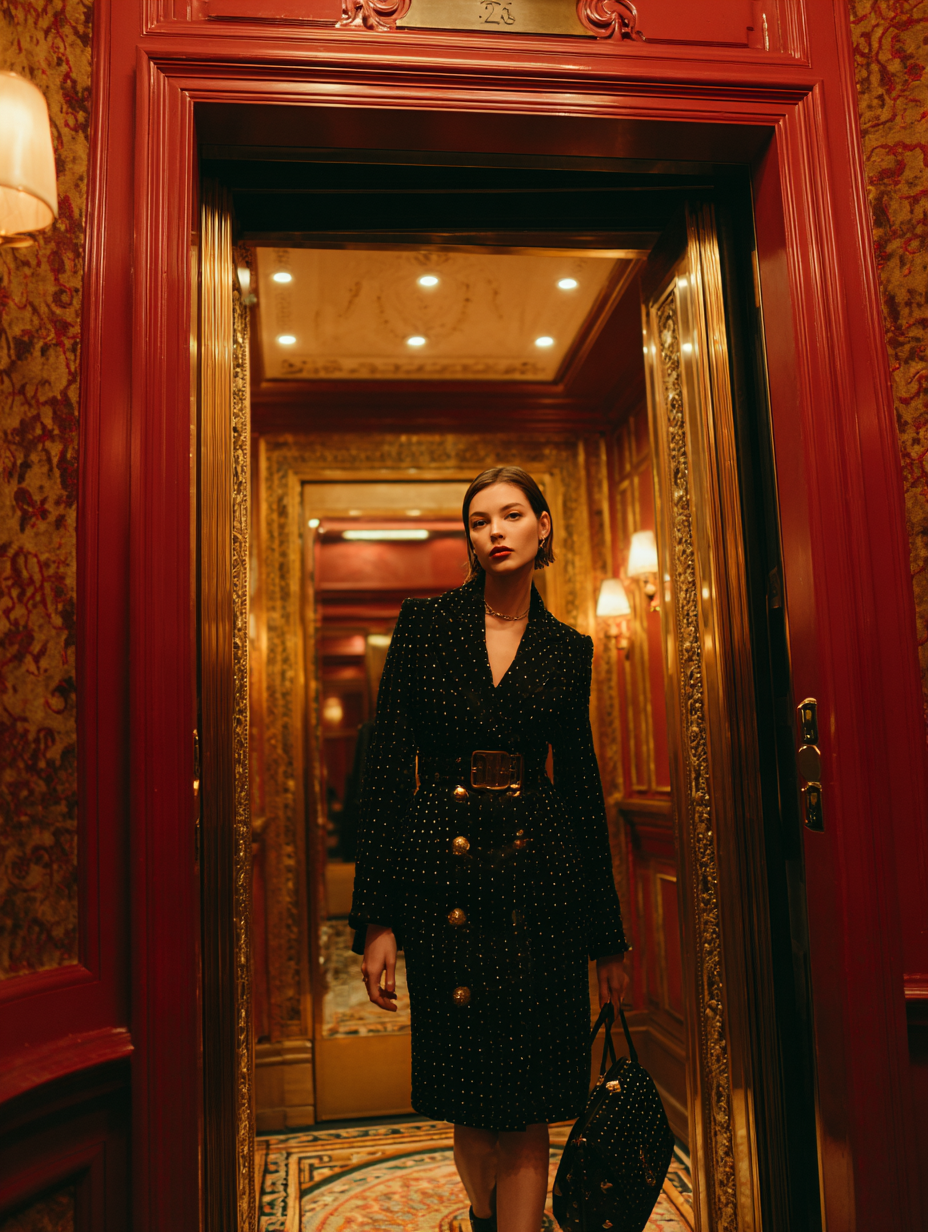
This is exactly where the parallel to the fashion crisis begins: brands that tried to be everything for everyone lost their soul. Hotels risk doing the same if they roll out concepts globally without considering local context, culturaldepth, or narrative coherence.
At the same time, a counter-movement is emerging in hospitality. Small, highly curated houses, branded residences with a clear story, retreats that promise less service but more calm, meaning, and character. Luxury is shiftingfrom opulence to precision, from size to purpose. No longer “How many rooms?” but “Why this place?”
As in fashion, those who will win are the players willing to grow more slowly, explain less, and feel more. Luxury hospitality must remember that it doesn’t sell beds—it sells time, atmosphere, and identity. Those who forgetthis will remain visible but become irrelevant. Those who understand it may post less, but they will linger longer in memory.