
COUTURE 0711
THE RISE OF STUTTGART’S FASHION MOVEMENT
STUTTGART IS DRESSING UP – how a new fashion movement is forming in the shadow of industry and major corporations. The future lies in the south, and Germany should know about it.
When people think of Stuttgart, two things usually come to mind first: fast cars and football. The home of Porsche and Mercedes-Benz, combined with the passionate fanbase of VfB Stuttgart—the image seems clear. But anyone who looks more closely quickly realizes that something new has been growing in recent years between industrial history, the city’s basin landscape, and its urban culture. Stuttgart’s fashion scene is beginning to find itsown voice.
For a long time, the city was not considered a fashion epicenter. Berlin, Hamburg, and internationally Paris and London dominated the perception. Stuttgart, by contrast, appeared reserved—almost invisible. Yet it is preciselythis underdog role that has motivated a new generation of creatives to build their own scene—independent of trends and free from the pressure of meeting expectations.
“Cavallo Rosso” prototype worn by @nilz.vitruv
Among these emerging labels is Vitruv Studios—a brand that has recently positioned itself clearly: handcrafted, unique caps unlike anything else you would find on a shelf.
Today, more and more labels are emerging in the region, proving that fashion can also originate here—authentic, high-quality, and with its own distinct character. Brands such as Olakala and Nice Peace have alreadydemonstrated that it is possible to gain recognition far beyond Stuttgart. At the same time, a new wave of brands is rising, ready to take the next step.
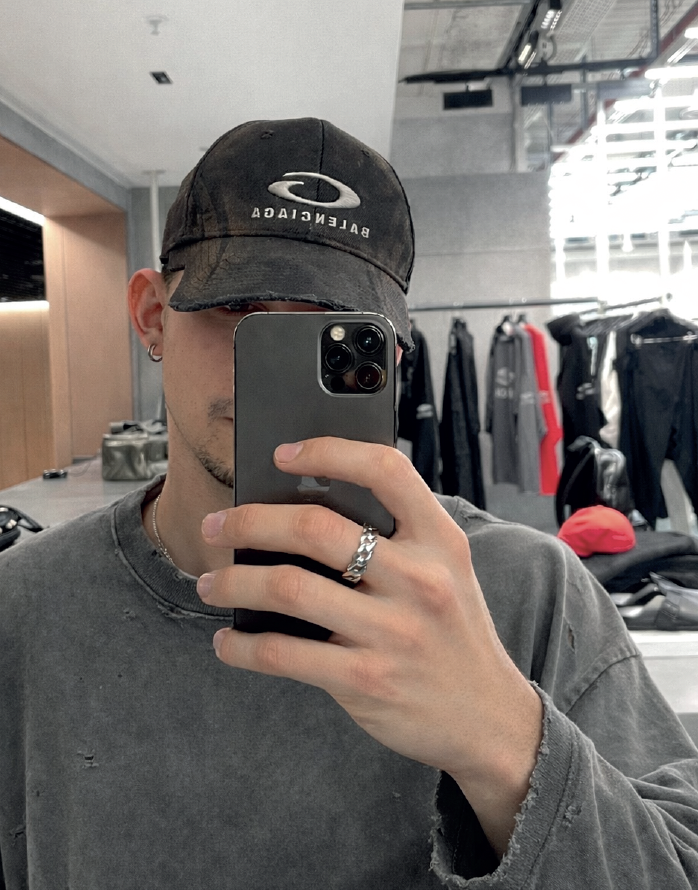
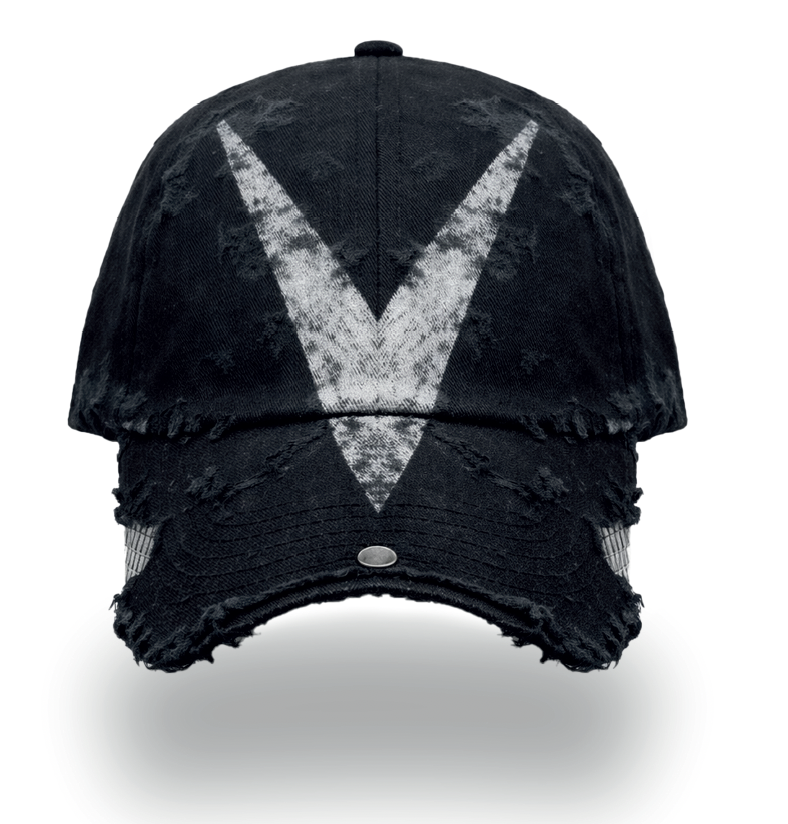
The focus is not on traditional collections but on deliberately developed one-of-a-kind pieces and limited drops. Models such as the Cavallo Rosso V.1 & V.2, the Steel Cage, Split Cage, or the Venom Cap present a cleardesign language: sculptural, experimental, and strongly inspired by high-fashion aesthetics—particularly the radical forms associated with houses like Balenciaga. The emphasis lies less on logos and more on silhouette, material, and construction.
Each cap is created by hand—from the initial idea to sketches and prototypes, all the way to the final execution. Structures and metal details are placed deliberately—not as decoration, but as a constructive element of thedesign.
With this approach, Vitruv Studios consciously moves away from the classic streetwear principle of rapid mass drops. Caps are the core product—serving as a statement piece, a wearable sculpture, and a marker of identity. Each model is meant to convey the feeling of wearing something truly special—not a standard accessory, but a deliberately chosen highlight.
Labels like Diversity Clothing also make it clear that Stuttgart is far more than just an automotive powerhouse. Diversity Clothing stands for cultural openness and a strong sense of community—values that areparticularly relevant in a city with an international character like Stuttgart. Their pieces convey both a message of unity and individuality. Here, fashion is not only about clothing, but about identity.
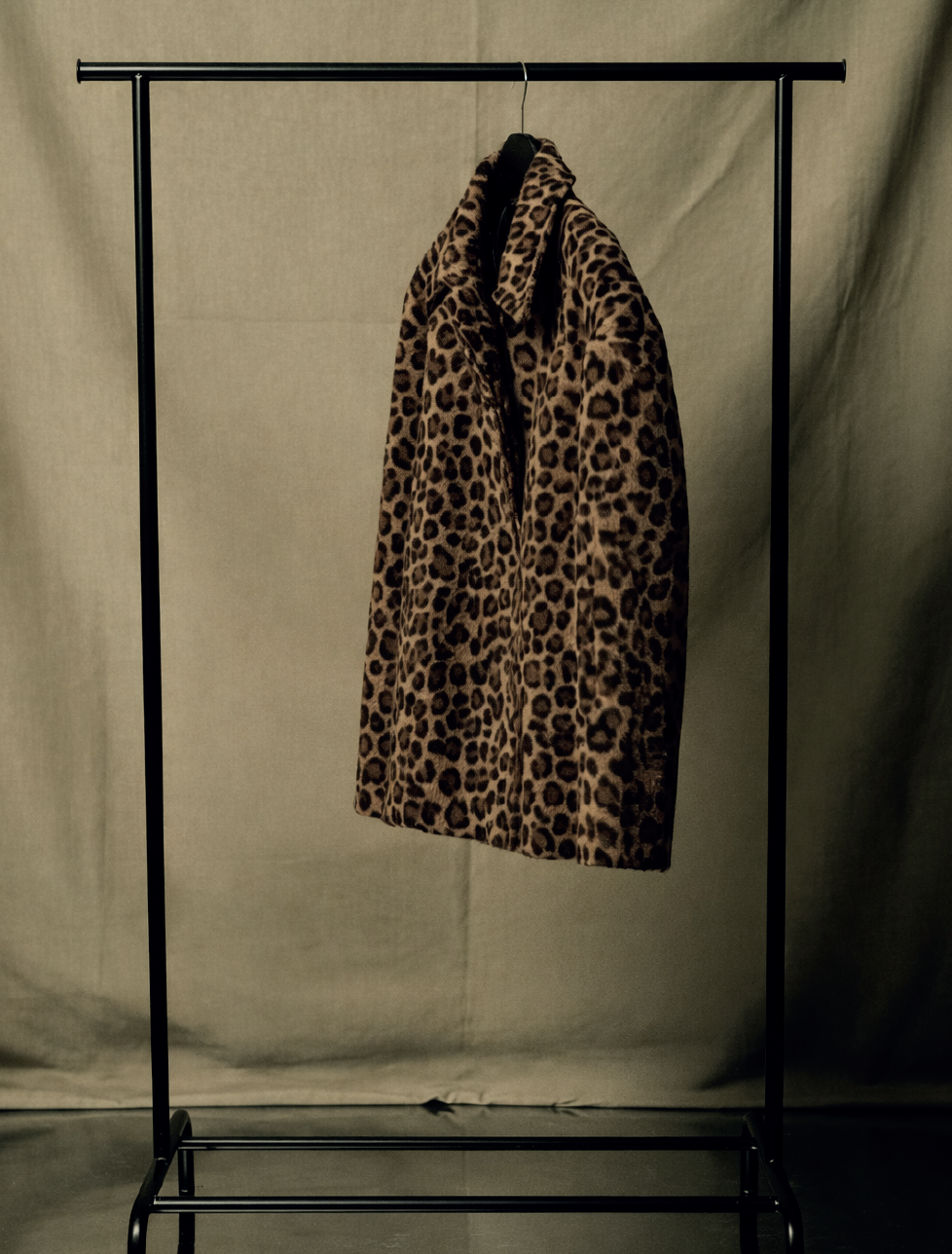
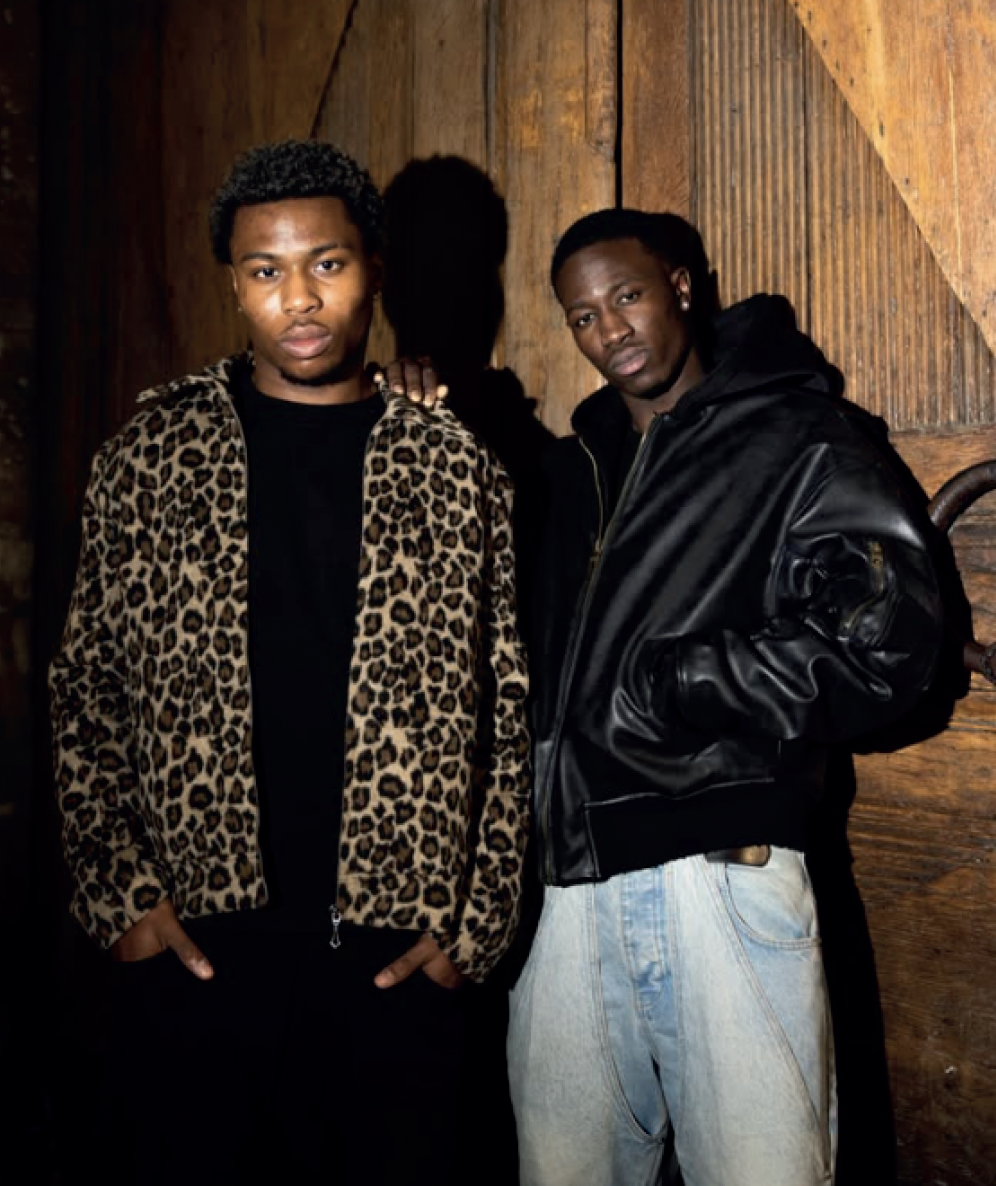
Many of these local projects share a common principle: quality over quantity. Instead of chasing every new micro-trend each season, the brands develop their collections organically. Drops are carefully curated, productionprocesses are reconsidered, and materials are chosen with intention. The result is clothing designed not for a single summer, but for years.
At the same time, a close network is growing among the labels. Photo shoots are organized collaboratively, pop-up events are realized together, and creative resources are shared. This sense of collaboration creates a dynamicthat is often missing in larger fashion capitals. The scene is relatively small—but that is precisely what enables closeness, authenticity, and genuine cooperation.
Stuttgart may not be the loudest fashion city in Germany—but it is exactly within this quietness that substance is created. A generation of designers and founders is gradually building a foundation based on attitude, craftsmanship, and community. And that is precisely where the true strength of this movement lies.
Yet a scene does not live on brands alone—it also needs places where people can meet, exchange ideas, and experience culture. Stuttgart has increasingly begun to provide exactly that.
Concept stores and streetwear shops such as Suppa, Arrow & Beast, Abseits, and Geschwisterliebe have long become more than simple retail spaces. They function as meeting points for the community, as spaces ofinspiration, and as platforms for emerging brands. Here, sneaker culture, streetwear, and progressive fashion come together. People exchange ideas, discover new labels, and experience that fashion is always also aboutcommunity.
Another decisive factor: the scene is growing organically. Many brands emerge from circles of friends—creatives who start projects together, organize photo shoots, or plan pop-up events. Social media helps increasevisibility, but the core remains local. People know each other, support one another, and build something together.
Stuttgart may not be the loudest among fashion cities, but that is precisely its strength. Instead of fleeting hype, something more sustainable is developing here—a movement that grows step by step and gains more attentionwith time.
Walking through the city today, you increasingly see young people choosing their outfits deliberately, wearing local labels, and expressing their own interpretation of streetwear and contemporary fashion. Stuttgart is beginningto develop a new sense of confidence in its style.
Perhaps the city is not yet an official fashion hotspot. But if you look closely, you realize: the movement is here—and it is growing.
Stuttgart is dressing up—and the scene is only just getting started.